
How can a really young person get into property ownership?
Last night my nineteen year old daughter and I went to a fabulous 21st birthday party. My childhood friend’s daughter is now 21, and her special evening was buzzing with chatter, music, beautiful speeches and friendly folks. Gab and I had a great time.

Gab made a new friend and the pair sat together talking all night. At one point, she asked me to talk to her new mate about property, and how she could secure a property at a young age.
This was music to my ears.
I’ve written about how we can assist our children extensively. i’ve also written plenty that is targeted to first homebuyers. But i haven’t yet written a piece specifically for young, aspiring buyers, so here it is, prompted by Gab and Tab.
Saving that initial deposit can seem like a mountain too high to climb for many. The fortunate ones have a helping hand, like our daughter did. She inherited $5,000 from her late Oma (German grandmother). We chatted to Gab about the ways that she could grow that nest egg, and she turned to Vanguard ETF’s (exchange-traded funds). That left the share-selection task to the professionals, and spread her risk according to her risk appetite. It was a great conversation and she fully understands how it works.
Five thousand dollars is a lot of money for a young person, and for those who don’t have it land in their lap like Gab did, a savings regime is the only other way. Part-time jobs seem the obvious solution, and with the benefit of regular hours, climbing this $5,000 mountain can seem a little more possible. Combined with other jobs, like babysitting, paper rounds, lawn mowing, dog walking, and even chores at home for pocket money, a regular income will result.
I’ve tracked Gab’s earnings when she’s had regular part-time jobs, and the income is surprising. At a base rate of $11 per hour plus weekend penalty rates, two six hour shifts at Boost Juice per week delivered ~$164 into her bank account each week, and that’s over the school months. Even if she handed over $80 per week and pocketed the rest, this secondary school student had a great lifestyle with her $84 per week.
School holidays is when the saving-power is amplified. At age 17, Gab could readily earn $450 per week in her Boost job. By this stage, she was on $14 per hour during the day, and penalty rates over the weekends. She handed over half to us to deposit into her Vanguard account then. If I do a rough talley of her contribution in one year on this basis, she added ten weeks of holiday earnings into her account, and 42 weeks of school week earnings.
This capital injection equates to roughly $5,610.
A seventeen year old with a steady part time job could amass over $5,000 in one year my contributing half of their earnings into a savings fund. And that is just one job. There are summer casual jobs that pay well too, particularly in the lead-up to Christmas. And… by claiming the tax-free threshold, they pay no tax.
Gab has been steadily saving since Oma’s generous gift and her shares have been performing well. Not only have they grown in capital value, but her dividends re-invest. In other words, instead of paying her an income, the fund rolls more shares into her portfolio as dividends. Gab is nineteen and her savings are above $18,000 currently. She has also enjoyed some travel that she put her own money into.
So, the question is – how far from home ownership is this nineteen year old?
Gab is studying at university and working in a bakery. Her shifts are regular and her hours are manageable, but until she has permanent shifts with a reliable income, it would be risky for her to buy her first home and move in to it. In addition, she quite enjoys living at home still.
But when the time feels right for her, she will be able to utilise the government’s 5% Deposit Scheme to assist her to purchase with just a 5% deposit, and no expensive Lender’s Mortgage Insurance, (LMI).
If her property is within $600,000, she won’t pay government stamp duty, either.
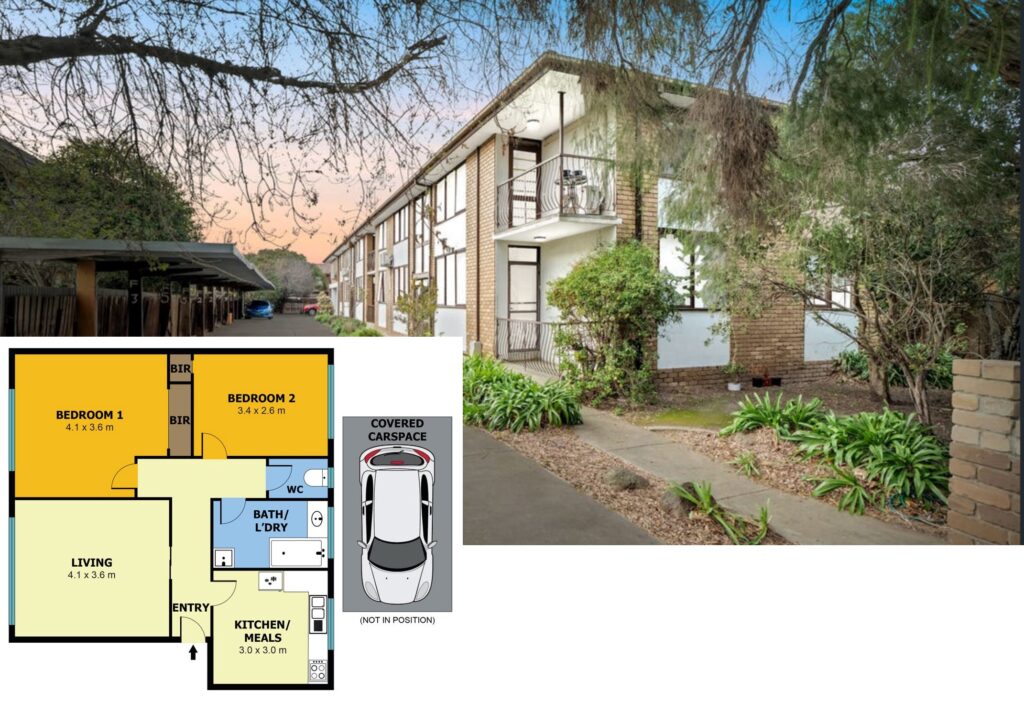
Technically, if Gab wanted to buy a property today, she could. Her savings would enable her to purchase a $370,000 property; likely an apartment at this level. Here is a real-life, recent example of such a property in Melbourne’s Footscray. It offers two bedrooms and is completely habitable. This unit sold for $370,000 on Friday just gone (7th November 2025).
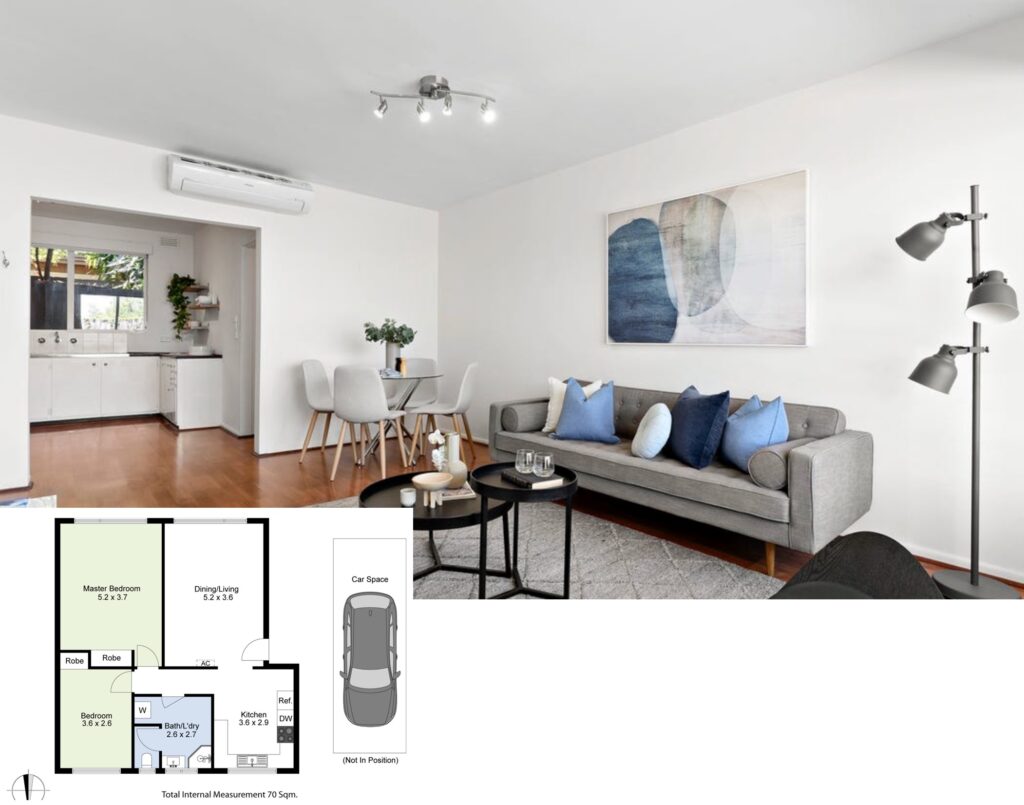
Gab is keen to live nearby, so another good example is this two bedroom unit on our street in Yarraville. It sold for $420,000 in April, so Gab would need to save an additional $3,000 to have her 5% deposit on hand.
I’m not suggesting any of this is easy, and for those who have other financial pressures, (unlike our daughter who lives board-free at home and can comfortably save), the timeline will no doubt be longer.
I do have many words of warning to share with aspiring homebuyers; my caution is around the types of properties that banks don’t like. Minimum floor areas, (50sqm+ is my mantra), avoidance of high outgoings (think high-rise), of the plan sales, zones which are problematic, and so on. There are many types of properties that I prefer to avoid.
I have a downloadable read for first homebuyers here and our podcasts, blogs and books offer resources too.
Wishing all of the aspiring, young property buyers all the determination and good fortune possible.