
Underbidder to Buyer: The Eight-Hour Twist in a Passed-In Auction

There’s a common misconception that auctions end when the hammer falls. In reality, some of the most important moments begin after the crowd disperses.
Yesterday was a perfect example.
We attended an auction where we were not the highest bidders. We competed against two other buyers, but the property was passed in to another party after their bid eclipsed our final limit. In this climate, onlookers would assume that the reserve was set too high, and this is possibly true. Once the highest bidder went inside, everyone would have assumed that this was the end of the story. The highest bidder gets first right to negotiate, the other bidders go home frustrated and disappointed, and the vendor either sells or lists the property for private sale at a price above the highest bid.
But seasoned buyers know that a passed-in auction is often where the twists and turns start.
I had a feeling about this auction. A sixth sense, a gut feel. Whatever we want to call my feeling, it wasn’t strange juju. It was years of experience and an inkling that the negotiations may have been challenging for an inexperienced buyer. We had been going back and forth on auction terms and contract changes during the days preceding, and the auction reserve price was my final hint that it could be an interesting ride.
I said to my disappointed clients, “It’s not over yet. I have a feeling we may get a call in the next hour. Keep your phone on.”
That they did, and the agent’s text did come through, some thirty minutes later.
Negotiations between the highest bidder and the vendor stalled, and the exclusive opportunity for them to negotiate at the vendor’s reserve was over. Eight hours later, we secured the property for our client at our last bid limit.
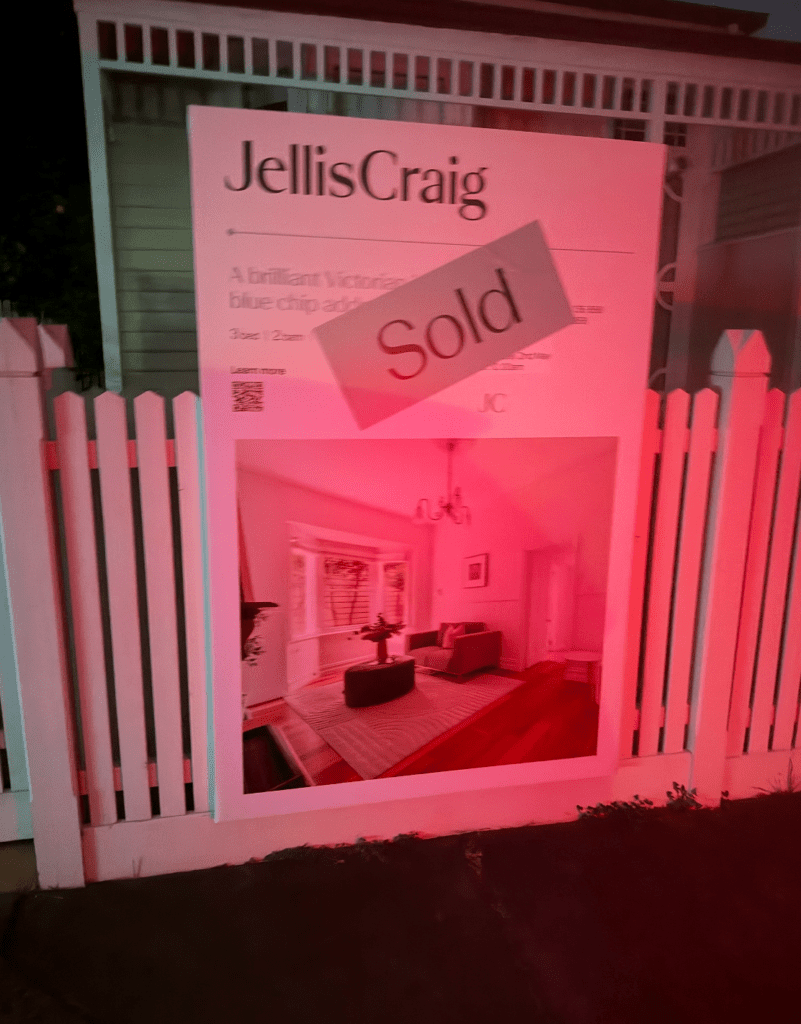
It was a reminder that pass-in auctions are nuanced, emotional and often misunderstood.
What Happens When a Property is Passed In?
When a property is passed in, it means bidding has not met the vendor’s reserve, or the vendor has chosen not to place the property on the market. People often misunderstand the legislation and blame the agent when bidding has been competitive, yet the auction reserve price has not been reached. In a lot of cases though, it can be an indication of a vendor’s expectation being unreasonably high. Victorian legislation allows a vendor to nominate their reserve price moments before the auction. Some vendors will surprise their agents.
When the highest bid sits below the vendor’s reserve price, the highest bidder gets the first right to negotiate immediately after the auction. An exclusive opportunity like this doesn’t last indefinitely though. If negotiations fail, the selling agent can then open discussions with other interested parties.
Why Negotiations Stall
There are several reasons why post-auction negotiations break down.
Sometimes the highest bidder has stretched emotionally in the public contest and has little appetite to go further privately. Sometimes the vendor’s reserve is unrealistic. Sometimes pride, ego or fatigue takes over. And occasionally, one side simply misreads the other.
Auction campaigns are emotionally charged. Buyers arrive focused on “winning”. Vendors arrive anchored to a dream number. Agents are trying to bridge the gap.
When the theatre ends, reality steps in.
Some vendors need more time than others. Could have the highest bidders secured the property yesterday? Obviously yes, but the vendor needed time. Time to discuss, time to ruminate, time to accept what had transpired at the auction. Maybe the highest bidders weren’t prepared to give it time.
Why the Underbidder Can Be in a Strong Position
Underbidders often feel defeated, but they can be exceptionally well placed.
Why?
Because they have already declared interest publicly. The agent knows they are committed buyers. They have demonstrated capacity. If they remain composed, they can enter negotiations with sharp judgement.
The key is emotional discipline and communication.
Too many buyers storm off, lick their wounds and mentally cross the property off the list. That can be a costly mistake.
If the property was suitable before the auction, it is still suitable after the auction.
Yesterday, we stayed engaged. We remained respectful, measured and ready. When the call came later in the day, we were prepared to act decisively.
The Human Side of Auctions
I often say auctions are part science, and part psychology.
Yesterday’s eight-hour delay was not about bricks and mortar. It was about people processing expectations, disappointment, pressure and pride.
Buying property is rarely linear. It can be messy, tense and unpredictable, and buyers can benefit from experience around them. Understanding the mechanics is useful, but understanding the emotions at play is invaluable.
The wrap up?
Being the underbidder doesn’t always mean losing. Sometimes it means patiently waiting. Sometimes it means staying calm while others fatigue.
And sometimes, as we saw yesterday, it means going home with the keys eight hours later.
For buyers navigating auction markets; it’s never over until that contract is signed and executed.