
Will This Spring Bring More Choice for Victorian Buyers?

Every winter, Victorian buyers begin asking the same question: When will more homes come onto the market?
It’s a fair question. Throughout much of winter, the biggest frustration for buyers is the a lack of quality listings.
Across Melbourne’s established suburbs, well-positioned homes continue to attract strong enquiry and competitive bidding, yet buyers often find themselves waiting weeks for a suitable property to become available. The shortage of listings has become one of the defining characteristics of the current market.
According to Cotality’s Victorian sales activity data, buyers are continuing to transact despite the limited supply of homes available. That is an important distinction because it highlights that demand has not disappeared. Instead, the current market is being constrained by a lack of vendors choosing to sell. This reflects both the normal seasonal cycle, (with quiet winters), and the current economic environment following Labour’s taxation change announcements, global challenges, and three consecutive rate cuts.
Victoria traditionally experiences its quietest period for new listings throughout winter. Listing activity generally remains subdued until the latter part of August, before building momentum through September and October. This seasonal lift has historically provided buyers with greater choice while giving vendors the opportunity to showcase their homes during the most active selling period of the year.
This year, however, the usual spring pattern will likely be interrupted.
Economic conditions continue to influence vendor sentiment. Borrowing conditions remain at more restricted levels, following the rate increases, and affordability remains stretched for many households. The recent tax changes affecting property investors have prompted many owners to pause before making significant property decisions.
Many prospective vendors are taking a cautious approach in light of the cooled reported capital growth figures.
Some are waiting for greater confidence in the broader economy. Others are hoping for stronger reported market conditions before committing to a sale. While these decisions are understandable, they are also contributing to the shortage of listings currently frustrating buyers.
This is a classic ‘chicken and egg’ scenario, and one that often grips when markets experience a shock.
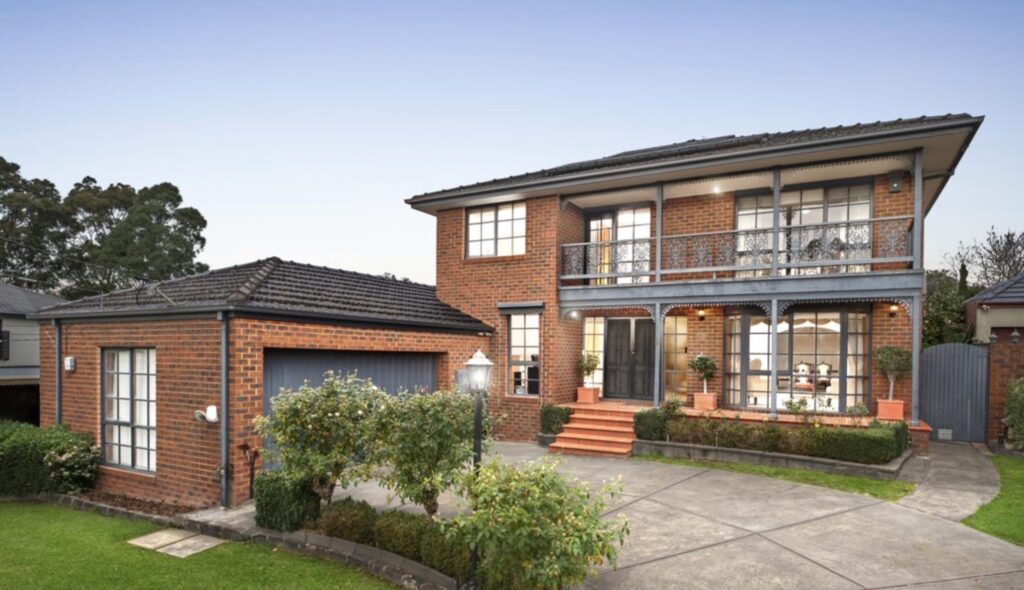
Well-located, well-presented properties that are priced appropriately are still achieving competitive outcomes, particularly in Melbourne’s tightly held middle and inner ring suburbs. An auction we participated in yesterday is testament to this. This dated family home in Templestowe Lower, quoted $1.4M – $1.5M, sold under competition for $1.605M.
Adding another layer of complexity this year is the timing of the Victorian State Election.
With Victorians heading to the polls in late November, the election falls at the very end of the traditional spring listing season. Typically, a small number of late auctions run all the way to the last weekend before Christmas, with these last new listing often emerging in the last week of November. But most late Spring vendors prefer to have their scheduled auction campaigns wrapping up by early December. This year will be different though.
Elections rarely have a lasting influence on property values, they often affect the timing of vendor decisions.
I expect many vendors will avoid launching campaigns while election coverage dominates the media and political uncertainty occupies buyers’ attention.

Rather than extending selling campaigns into late November, many homeowners are likely to bring their properties to market earlier, concentrating listing activity into September and early October.
If that occurs, buyers could experience a welcome increase in available stock during early spring, followed by a quieter than usual finish to the year as election activity begins to dominate headlines.
For sellers, this compressed selling window could present challenges if higher numbers of campaigns are competing with one another.
Vendors who delay until late November may find themselves competing with election distractions rather than taking advantage of peak spring buyer activity.
For buyers, having a clear Spring season plan will reward those who are ready to buy.
History suggests that listing activity should begin to improve as late August approaches, but this year’s market is unlikely to follow the traditional seasonal pattern. The combination of constrained supply, cautious vendor sentiment and the timing of the State Election could create a spring market that arrives quickly, offers a brief period of improved choice and finishes earlier than many Victorians have come to expect.
As I often remind clients, successful property decisions are rarely about perfectly timing the market. They are about understanding local conditions, recognising quality when it appears and making informed decisions based on long-term objectives rather than short-term market noise.
But importantly, in challenging times, successful property decisions require recognition of good opportunity when it presents itself.