
The Apartment Looks Cheap. But What Are You Really Buying?
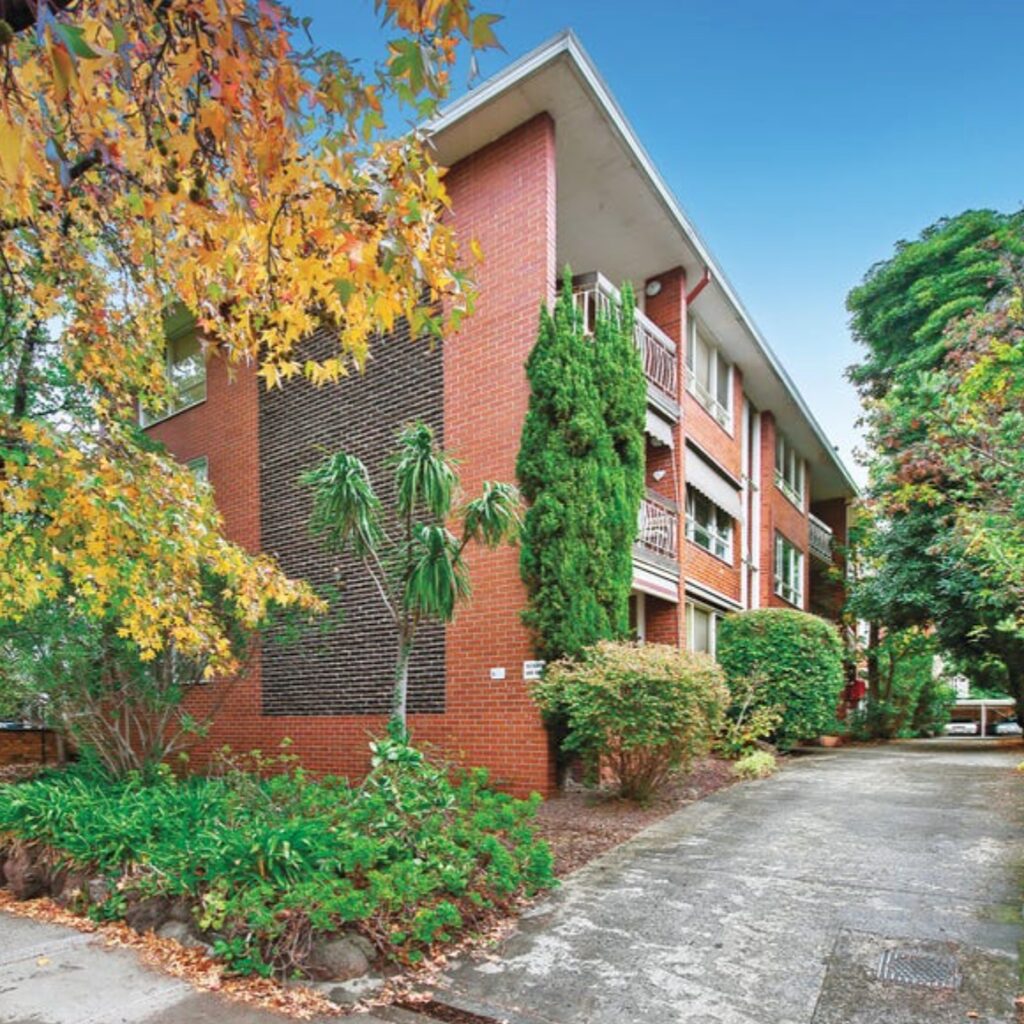
There is something very seductive about a cheap apartment.
A buyer sees an established apartment in a great location with a price tag that looks surprisingly modest, and it is easy to think, What’s the catch?
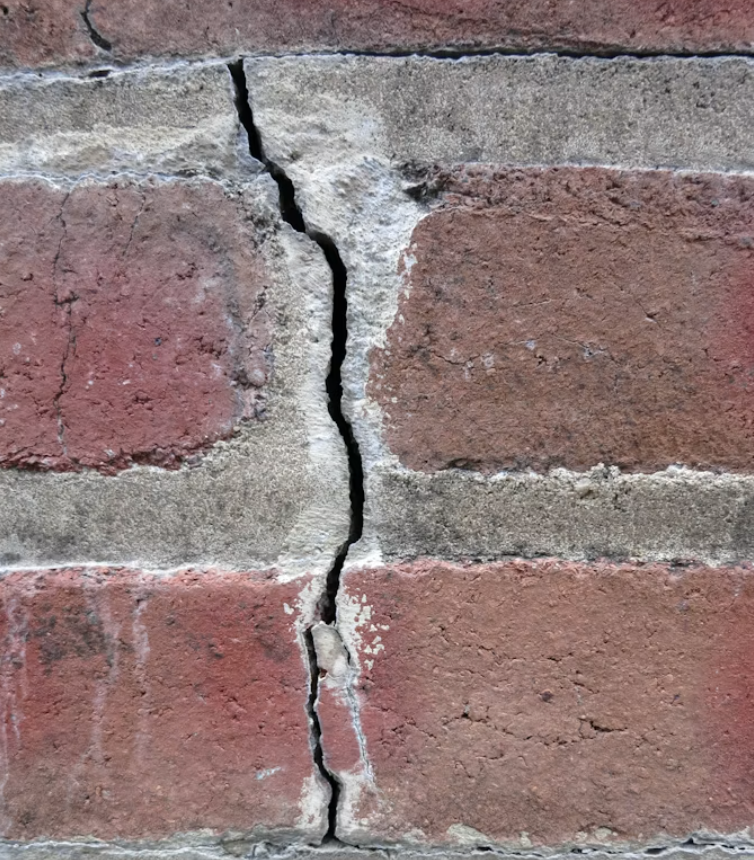
Sometimes there isn’t one. But sometimes the catch is sitting in the owners corporation records, buried in an AGM minutes, hiding behind a quarterly strata fee or sitting outside the apartment door in the form of brick cracking, rising damp, or an unresolved plumbing issue.
This is why I am particularly careful when assessing strata property. A lower purchase price doesn’t mean lower risk.
In fact, the irony of buyer’s agency is that the amount of due diligence required is often disproportional to the price tag.
When you buy an apartment, you’re not just buying the apartment. You’re buying into the building.
And that building comes with a financial history, a group of owners and tenants, maintenance obligations, iterations of renovations throughout, service providers, and future costs.
Don’t just read the Owners Corporation Certificate
The owners corporation records are important reading.
I like to see the financial position, budgets, insurance, maintenance expenditure, levies, correspondence and, importantly, the AGM minutes. We don’t just flick through the minutes looking for the words “special levy” and then assume our due diligence is done.
The minutes can tell us a lot about the health of a building. Often, issues are raised, yet they are not voted in by a quorum to initiate repairs. The issues may be relatively minor, so it is understandable that a collective on the Owners Corporation committee resolve to keep an eye on the issue, but not yet to seek quotes and action for attention. But sometimes, these small issues can become sinister over time.
Some of the items we are searching for include question such as these. Has there been discussion about water ingress? Is the roof causing problems? Has there been talk about concrete deterioration, balconies, lifts, windows or waterproofing? Are owners frustrated about maintenance? Has there been an insurance claim? Is there an ongoing dispute? Has a significant project been discussed but not yet approved?
Often, the most revealing part of the minutes isn’t the formal resolution. It’s the discussion leading up to it. Repeated references to the same problem over several years can be particularly telling. One isolated maintenance issue is one thing, but a problem that keeps resurfacing is another.
The AGM minutes aren’t the whole story
This is where I think experienced due diligence makes a real difference. The most recent AGM might have occurred six months ago.
A lot can happen in six months.
I want to speak to the strata manager and ask what has happened since those minutes were recorded. Have any new issues emerged? Has an insurance claim been lodged? Has a contractor inspected something? Are quotes being obtained? Are owners discussing a special levy? Has there been a significant maintenance issue raised recently? Is there a dispute that hasn’t yet made it into formal minutes?
These conversations can be incredibly valuable because strata problems don’t wait for the next AGM to appear.
A buyer who relies solely on historical records may be looking in the rear-view mirror while a new problem is developing in front of them.
Don’t be frightened by a special levy
I often find buyers react to the words “special levy” as though they are automatically a reason to walk away.
They’re not always a red flag, and sometimes the vendor has already paid their contribution. A special levy can actually tell us that an owners corporation is taking responsibility for an important piece of maintenance.
The question is: why has it been raised?
A special levy to repaint a building or replace ageing infrastructure is very different from a special levy to deal with a serious defect.
I want to know what the levy is for, how much it is, whether it has been paid and whether further expenditure is likely. I also want to know whether it’s so extreme that the Owners Corporation needs to take out a loan to cover it. Once that occurs, owners are subjected to interest costs on the loan too.
If the building has ageing lifts, subsidence movement, a problematic roof, deteriorating balconies or waterproofing concerns, one levy may not be the end of the story.
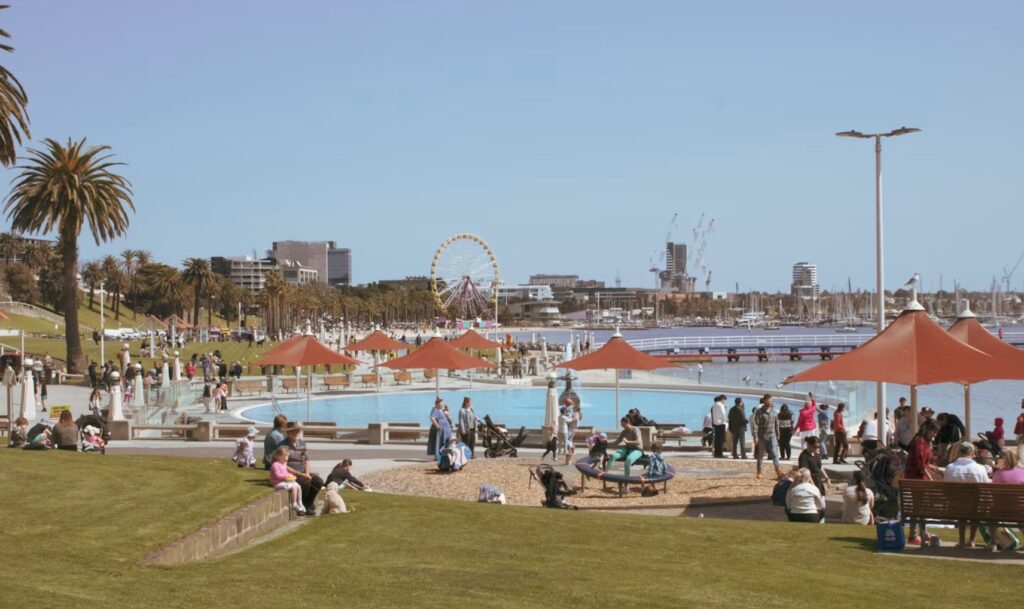
Indicators of a severe levy are often multiple sales in the block at any one time. However, they sometimes spell opportunity, but only when the buyers are able to factor in the cost and purchase well. I recall a block of units on Geelong’s Eastern Beach many years back, where the special levies were scoped at $30,000 per owner. A few sales had transpired and the vendor of this particular unit had discounted their price, not only to factor in the $30,000 cost, but to find a buyer fast. Clearly, they were motivated sellers on a tight timeframe. Our buyer could not sustain the cost because it would have eroded their deposit funds. However, a buyer with a stronger pool of funds, (or available equity) could have bought a stunning apartment with incredible views for a highly discounted price.
Cheap strata fees aren’t necessarily good news
This important principle applies to owners corporation fees.
Buyers sometimes love seeing a low quarterly fee and I understand why. In fact, agents often pitch a peppercorn owners corporation fee as a selling feature. For me, its a huge detractor and sometimes a warning bell.
If the owners corporation isn’t putting enough money aside for future maintenance, today’s cheap strata fees could become tomorrow’s special levy. It can spell an unwillingness of the broad owner base to invest in their building, and this can become a frustrating headwind for any owner who does wish to maintain the property well and apply preventative measures.
On the other hand, high levies need to be understood too.
They might reflect lifts, gardens, gyms, pools or other expensive infrastructure. Or they might reflect a building with significant maintenance requirements or sinister issues.
The important question is whether the fees make sense for the building and whether there are warning signs that the fees are likely to rise sharply.
Look beyond the apartment
There is another layer of due diligence that buyers sometimes overlook. Are neighbouring sites potentially going to be developed? And if so, what is the implication for noise, natural light or density?
Who lives in the building, and what surrounds it? I like to understand the housing mix within the complex and immediately around it, including the renter/owner-occupier mix, and whether there is social or community housing within the block or direct neighbouring blocks.
We do this to understanding the environment and the factors that could influence a buyer’s experience and future resale appeal. A buyer might be comfortable with a particular mix of housing, or they might not be. Either way, they should know about it before they buy.
Street parking needs more than a glance
Parking is another classic trap.
Most apartments have car spaces, but older style blocks, (particularly Art Deco apartments) don’t always off parking. If an apartment doesn’t have a car space, I will likely consider it a show-stopper, but if my client insists on purchasing a property without a car space, I will want to assess the street parking properly. And not just at 11am on a Saturday when half the neighbourhood is out. What is it like early in the morning? At dinner time? During the working week? And are there permit zones? If so, are residents eligible for permits? Are there time restrictions? Are there developments nearby that could increase parking pressure? For some buyers, the absence of a car space is irrelevant, but for future resale, it’s almost essential.
Renovations need to be investigated too
If the property has been renovated, I like to know what has been done and whether the appropriate approvals were obtained. Walls may have been removed. Bathrooms may have been relocated. Kitchens may have been altered. Air-conditioning may have been installed. Plumbing or electrical systems may have been modified.
Depending on the works, owners corporation approval, council approval, building permits, certificates or other documentation may be required. The last thing a buyer wants is to discover after settlement that something they assumed was perfectly legitimate wasn’t properly approved. Buyers carry the liability once a settlement goes through.
The price doesn’t protect you
This is the point I want apartment buyers to understand. A $400,000 apartment doesn’t have a smaller amount of risk just because it’s cheap.
It could have a $20,000 special levy.
It could have rising strata fees.
It could have a serious building defect.
It could have an unapproved renovation.
It could have a parking problems.
It could sit in a building with a history of disputes or maintenance issues.
It could be an unusual title type that lenders refuse to finance.
None of those risks disappear because the purchase price is modest. In fact, buyers of cheaper apartments can sometimes be more vulnerable.
A buyer doesn’t just need an advocate who can tell them whether the apartment is worth $400,000. They need someone with experience who can tell them with confidence what the imperfections of the property are.
For us, our due diligence is all about ensuring our buyer understands exactly what they’re buying.