
Why the new Property Price Statement is not a reliable source for buyers to determine the right price to pay
On 1 October 2026, the Statement of Information was replaced by the new Property Price Statement (PPS), applying to all residential property sale campaigns. The information required from agents varies slightly, depending on whether the sale has a fixed end date, (i.e. auctions or fixed date sales), or private sale.
Agents must now publish the vendor’s reserve price at least seven days before an auction or fixed-date sale, show the PPS prominently in online listings, and update it with the sold price within seven days of the sale going unconditional. The statement must also set out the key features of the property and of the comparable sales the agent has chosen to cite.
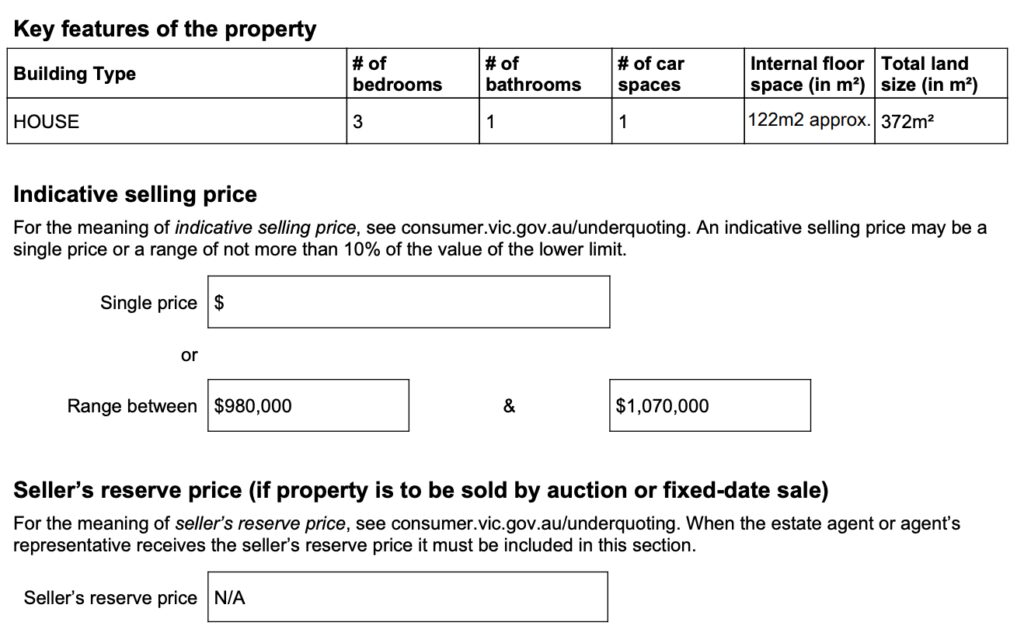
I support the intent for price transparency, however I don’t believe this solves the issue at all. In fact, it may lull buyers into a false sense of security.
A reserve price only tells you what the vendor will accept. It doesn’t tell you what the property is worth, nor does it prepare you for what it could sell for.
Matching two properties based on bedroom count, bathroom count, car space count, land area and internal area does not constitute a comparable property.
The PPS leans on comparable sales to support the price, and this is where buyers need to be careful. An agent can still select sales that match the subject property on every headline measure: the same number of bedrooms, bathrooms and car spaces, a similar land area and a similar floor area. On the statement, these sales look like a reasonable fit.
However, they may be nothing of the sort. Two homes can share every one of those metrics and still sit tens or even hundreds of thousands of dollars apart, because the attributes that genuinely drive value aren’t captured:
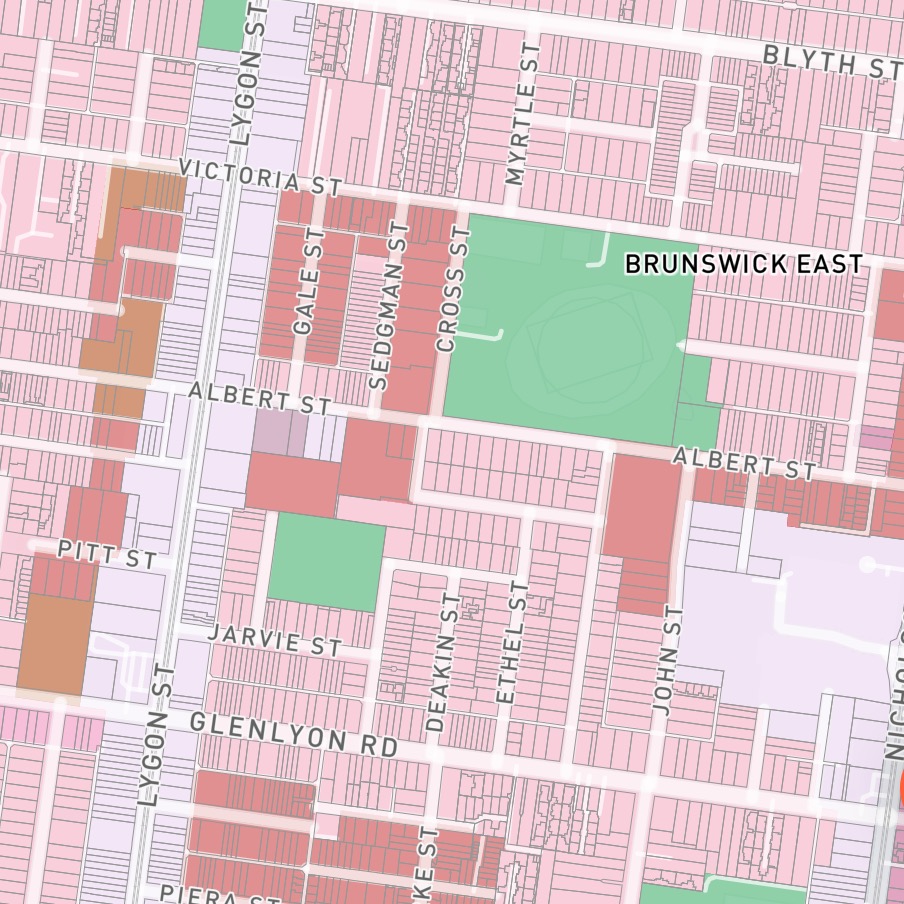
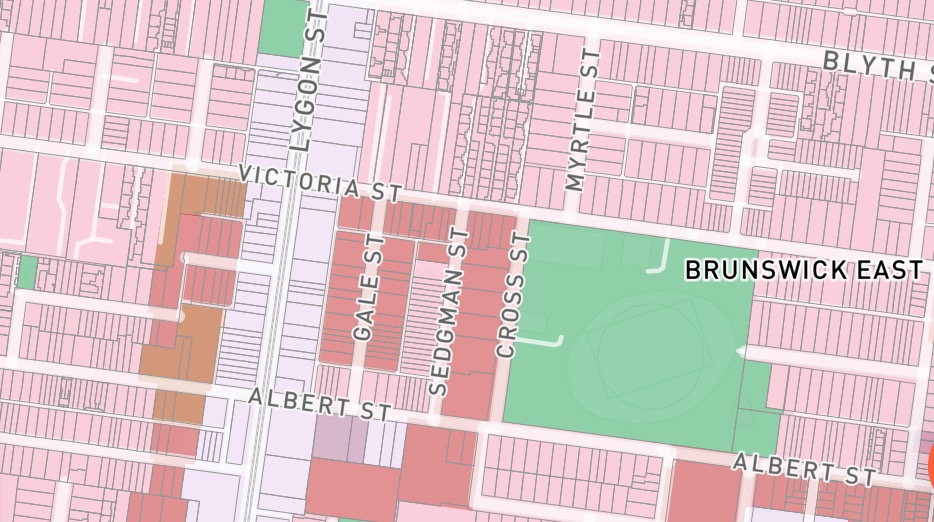
- Zoning. A Neighbourhood Residential Zone block and a Residential Growth Zone block can look identical on paper but carry very different development potential.
- Overlays. Heritage, Bushfire, and Flood overlays all shape what an owner can and can’t do, what insurance premiums will cost, and what risks the buyers need to be prepared for.
- Quality of the street. A quiet tree-lined street and a main road with a bus route are not the same address, even if they are the same distance from the station.
- Orientation. North-facing rear living is valued by buyers for good reason, and the market pays for it.
- Era of the dwelling. A period home, a 1970s brick veneer and a recent build appeal to different buyers and age very differently. Not to mention the land to asset ratio, and the inherent value that a buyer pays up front for a newer dwelling.
- Level of upgrades and renovation. A freshly renovated home and an original one are not comparable sales, even with matching bed, bath and floor area figures.
A comparable that ticks every box on the PPS can still be an unreliable guide to value.
The red flags the PPS doesn’t mention
A selected comparable might carry a serious negative attribute that dragged its price down, or the subject property might carry one that the comparable sales don’t.
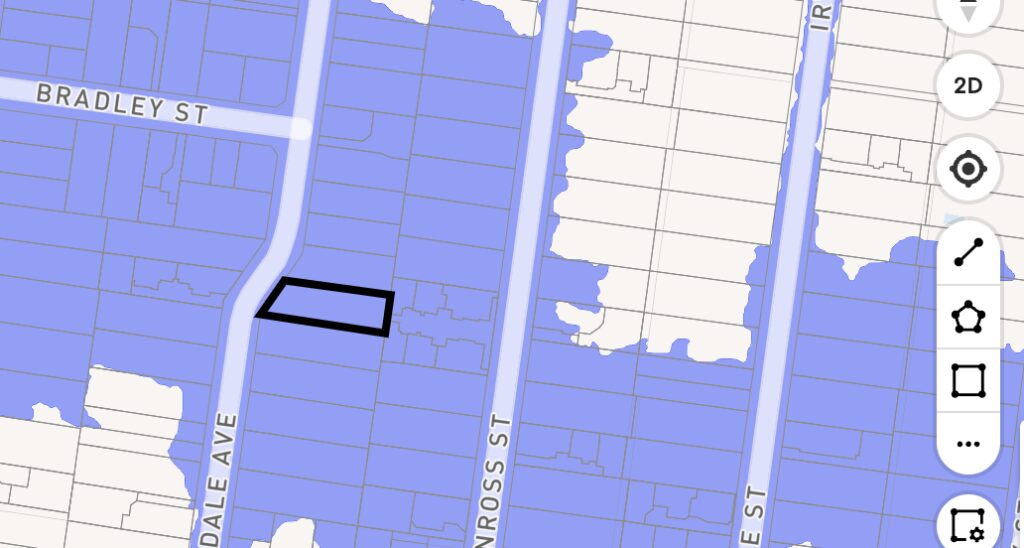
Flood-affected land, including properties under a Special Building Overlay (SBO) or Land Subject to Inundation Overlay, can affect insurance premiums, building approvals and resale demand.
Title type for units carry enormous importance too. Stratum titles and company share titles are found in many older blocks of flats, and plenty of lenders either won’t lend against them (if deposits are less than 20%), or will cap the loan to value ratio (LVR). Some zones present the same problem.
Properties in industrial, commercial or farming zones, for example, can be difficult to finance at a high LVR, which shrinks the buyer pool and weakens future growth. Two dwellings can look identical on paper but can make the difference between a borrower being able to obtain finance vs being knocked back by every lender if their deposit is less than 30%. Just because a dwelling looks like a residence doesn’t mean that a lender can finance if it the zone is commercial or industrial. The same house could be up to 25% cheaper in a more troublesome zone, and this is solely based on ease of lending.
Then there are properties in genuinely poor locations: backing onto a freeway or train line, sitting beside high-voltage transmission lines, or next to commercial or industrial uses. These sell at a discount for a reason.
Lastly, the PPS can’t determine whether a vendor’s reserve price is based on a fair price expectation or a lesser price. A vendor may be comfortable to set their reserve below market value.
A reserve tells you what the vendor will accept. It doesn’t tell you what the property is worth.
What buyers should do instead
Treat the PPS as a starting point, not a valuation. Check the zoning and overlays yourself on VicPlan, for the subject property and for every comparable listed. Read the Section 32 carefully, with particular attention to the title. Speak to your conveyancer/solicitor or broker early about the title type and zone, especially if you’re borrowing at a high LVR. And locate each comparable sale on a map so that you are familiar with it’s surrounds on Streetview.
The Property Price Statement statement can overlook a very different street, orientation, condition or set of planning controls.
It needs to be considered as only one of many references if buyers want to be able to determine a suitable price indication for a property advertised for sale. It’s a very broad guide at best, and a false sense of security with limited detail at its worst.