
For most buyers, selecting a home isn’t just a financial decision — it’s an emotional one. It’s where we picture our morning coffees, our dinners with friends, and our lives unfolding. But I’m constantly asked by clients whether their home purchase can also be a smart investment. And the short answer is: yes, it absolutely can be. But it takes strategy, objectivity, and a solid understanding of both the lifestyle needs and the fundamentals of property investment.
The Emotional vs. Financial Tug-of-War
Owner-occupiers often buy with their hearts, and understandably so. The home we live in should make us feel grounded and happy, and it should be reasonably future-proofed. But when we step back and view the home purchase through an investment lens, the must-have attributes should be checked-off too. This adds an important layer of discipline, and one that often gets overlooked by purchasers when their hearts are ruling.
An investment approach needs to address the following questions:
- Does the property have any negative attributes that cannot be changed?
- Is the amenity great? We aim to select great investments in areas where local shops/cafes and public transport are all within walking distance. Depending on the status of the purchaser, proximity to schools and parklands could be on the list too. For a family-friendly area, these attributes score highly.
- Is the street a quality street? This includes the character and appeal of the surrounding houses, any relevant overlays, the absence of noise, street parking, and the overall feeling of safety.
- Is the property one that appeals to plenty of other buyers? (While we all love reduced competition, it’s comforting to know that a popular property will attract a crowd of bidders when it comes time to sell).
- What are the growth drivers?
- Is the floor plan a good one? This also includes orientation and good proportionality.
Balancing those questions with budget and personal lifestyle needs can feel tricky, but when done well, it sets owners up for both emotional satisfaction and capital growth.
Understanding the “Investment” Component
The key to making a home a smart investment is location — but not just any location. We target areas that are established, offer good public transport, quality schools, (pending the property type), and access to lifestyle amenities like cafes, parks and shops.
When I assess an owner-occupier purchase from an investment perspective, I look for four things:
- Scarcity – Is the dwelling type limited in supply? Period homes, well-built mid-century houses, and character-filled terraces often outperform due to their uniqueness.
- Land Value – Even for townhouses, the proportion of land an owner effectively own matters. Land appreciates; buildings depreciate. The land to asset ratio is a critical tool that I always consider.
- Broad Market Appeal – Would the property appeal to a wide audience of buyers or tenants? Homes with broad appeal offer better resilience and higher capital growth potential.
- Location Attributes – Proximity to public transport, cafés, schools, and open space continues to drive value. “Walkability” is no longer a bonus; it’s expected.
The Trap of Overcapitalising
One of the biggest risks for owner-occupiers is overcapitalising. It’s easy to fall in love with the idea of a perfect kitchen, designer tapware, or a backyard pool. But from an investment lens, every dollar spent should ideally be recoverable in capital value or yield over time.
That doesn’t mean that we don’t suggest renovating for comfort, it just means being strategic. Cosmetic improvements like repainting, new flooring, and modernising kitchens or bathrooms can be cost-effective. But large-scale extensions or ultra-luxury finishes can price a property out of its local market bracket easily.
Would a future buyer in this suburb pay a premium for these improvements?
If the answer is “no”, the expenditure represents lifestyle rather than investment. This is OK, provided it’s a conscious choice and a long term tenure.
The Financial Upside
Owning a home that also performs well financially offers powerful flexibility long term. Owners might be able to:
- Leverage their equity down the track to buy an investment property.
- Upgrade more easily in the future, using capital growth to step into their next long-term home.
- Enjoy a higher degree of financial stability into retirement when they ultimately downsize.
Unlike a rental property, a home’s capital gains are generally tax-free once sold, (provided it’s been a principal place of residence*). That tax advantage alone often makes an owner-occupier purchase a strong wealth-building tool. And for most, the family home is the highest value asset in their portfolio.
(* Tax advice is required from a licensed professional to accurately determine whether the home meets the requirements to be considered a principal place of residence).
A Great Case Study
Just yesterday I assisted a lovely family with their home upgrade purchase in Brunswick West.
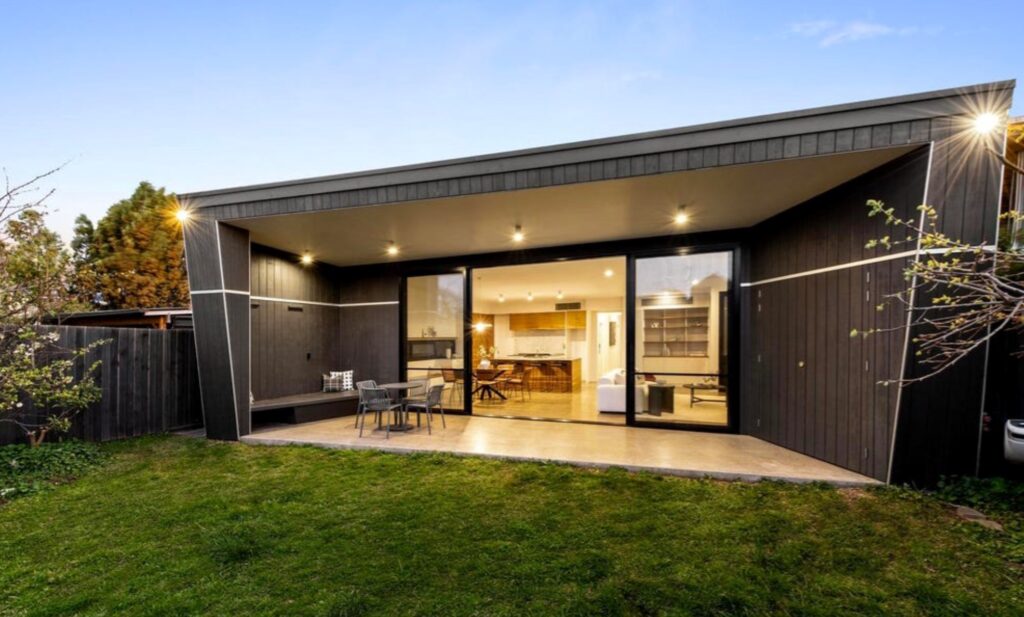
The house ticked so many, important boxes. I knew as soon as I walked inside a fortnight ago that the auction would be competitive. This house has it all; great amenity with easy access to tram, parklands, and local shops. A beautiful facade, and surrounding, gorgeous period homes. A great, family layout, and a beautifully timeless renovation.
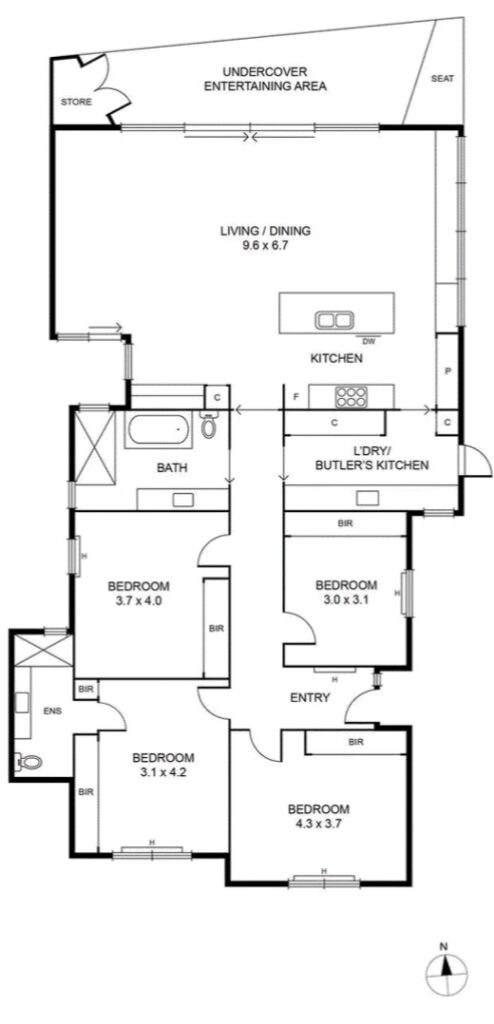
The land offers a north facing rear, and a garage with access via a rear laneway.
I knew it was scarce when I worked on the comparable sales analysis. Homes like this didn’t come up very often, and the alignment of these attributes was difficult to find in previous sales.
Balancing Lifestyle and Strategy
The “smart investment” test doesn’t mean stripping away the joy of buying a home that excites. It’s about aligning the emotional criteria with sound property fundamentals.
A home can tick the important emotional criteria and still perform financially. It just requires a focus on quality locations, scarcity, and long-term demand.
I often advise our clients to lead with their head, then check in with their heart.
When an owner-occupier chooses the right property, their home isn’t just be a place to live. It will quietly and powerfully grow their wealth behind the scenes too.
REGISTER TO OUR NEWSLETTER
INFORMATION
CONTACT US
1A/58 ANDERSON STREET,
YARRAVILLE VIC 3013
0422 638 362
03 7000 6026
CATE@CATEBAKOS.COM.AU