
Melbourne Buyers Guide: Value in the South East, East North, and West
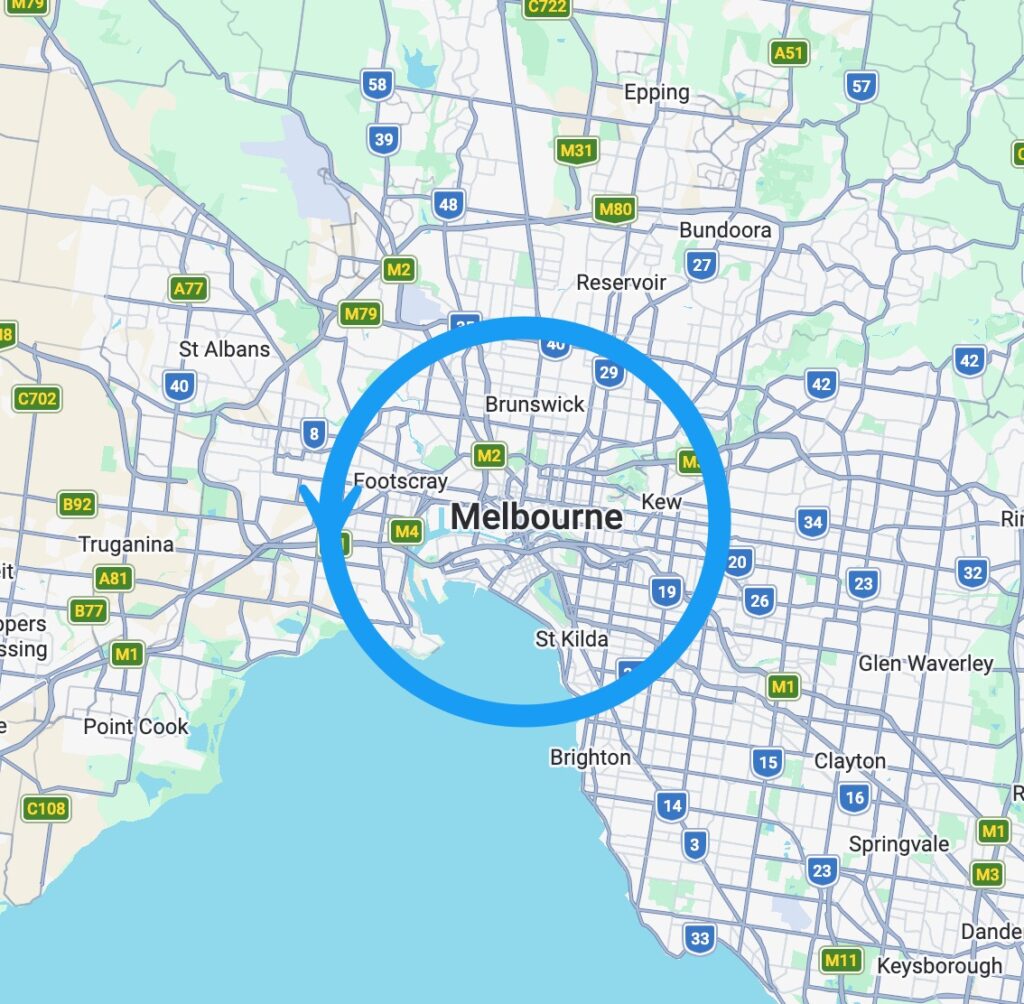
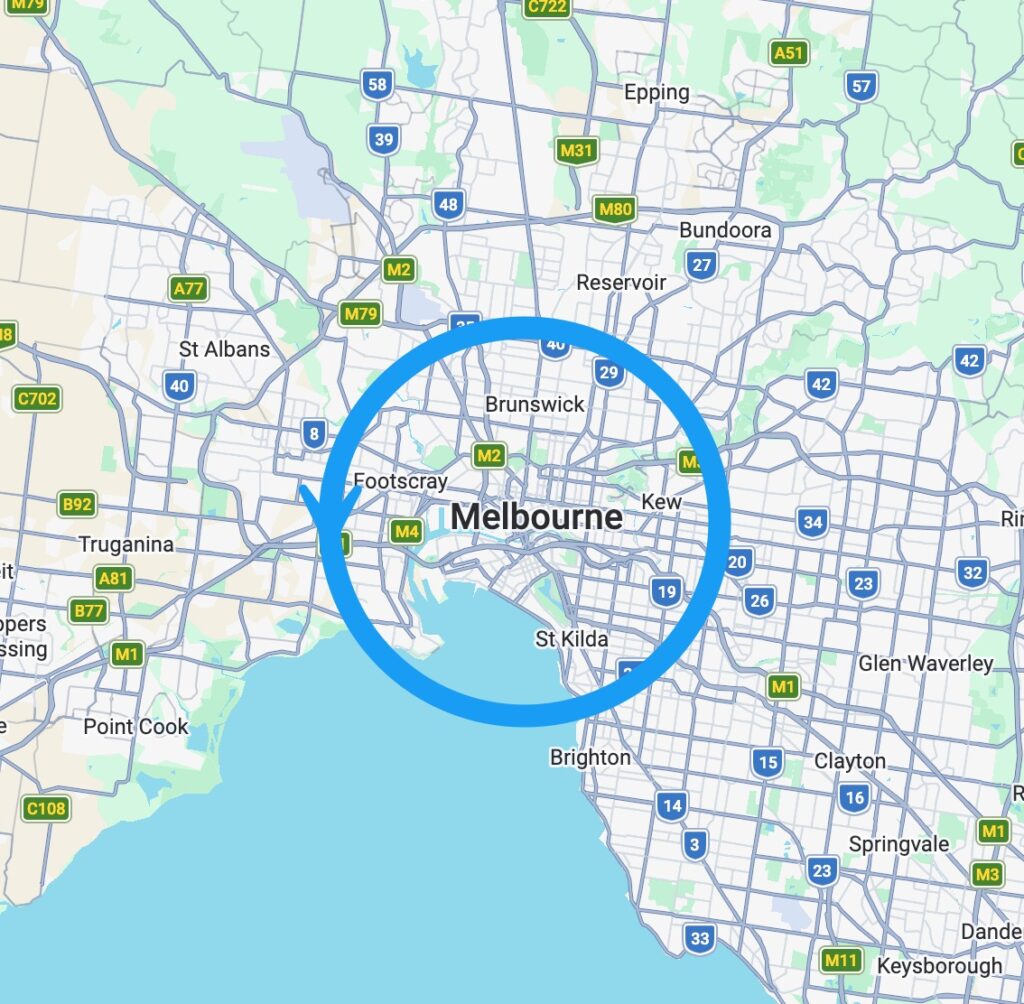
This recent article prompted today’s blog; an insight into property values within the same radius from our city centre, and the reasons why some buyers from the east are prepared to move across town. I’ve written before about such moves, but property prices can really put this concept into perspective.
Cotality’s September figures put Melbourne’s median house price at $920,432, down 5.7% over twelve months. Units sit at $629,054, down 2.5%. Rents are still rising, up around 5% for both houses and units. But there are so many nuances to Melbourne property values…. so let’s scoot around the city to explore.
I often illustrate decreasing pricing as we circle the city in an anti-clockwise manner.
The south east and bayside: coastal proximity and exhibiting the furthest outer sprawl within our city
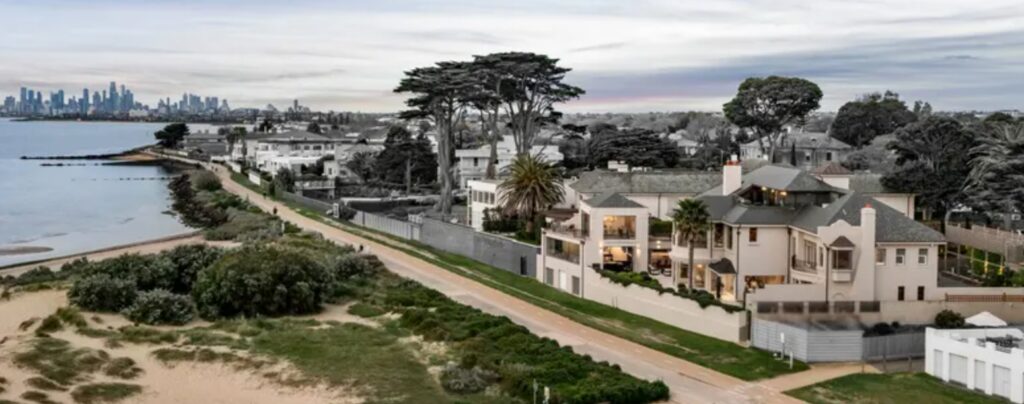
The south east and bayside suburbs are hugely popular, however the urban sprawl stretches beyond 50km from the CBD, representing some of the lengthiest commutes in our city. Brighton, 11km from the city boasts house prices ranging from $2 million to over $20 million dollars. This incredible waterfront property below sold in 2022 for $31,600,000.
The east: leafy, expensive, many schools and tightly held
Hawthorn, Kew, Balwyn and Camberwell still start above two million dollars for a house. Buyers here are paying for amenity to plenty of schools, gorgeous tree-lined streets and established demand. That premium can be worth it, but for first homebuyers or those seeking a house within their budget, there will need to be compromise. As for the south east, buyers who are attached to the idea of buying in the east, sub-million dollar purchases will require a commute time of around an hour into the city.
The north: where the gap is closing
The inner north tells a different story. Entry level houses in Fitzroy and Clifton Hill sit between $1.5 and $1.8 million, while Carlton and Brunswick are closer to $1.2 to $1.35 million. Northcote is around $1.45 million, Coburg and Preston above $1 million, and Reservoir just shy of $1 million. Coburg rose 5.8% over the year to early 2026, which shows how strongly demand moves outward once the inner suburbs stretch a buyer’s budget.
The west: cheaper, but not always practical when family and friends are in the east
Coming full circle, Footscray and Yarraville entry level houses sit at roughly $800,000 to $1.02 million, a noticeable discount to comparable inner-north suburbs. Further out, Werribee, Hoppers Crossing and Wyndham Vale houses start from $700,000, with Melton lower again. The outer west averaged around 4.2% growth in the twelve months to March 2026, and Sunbury was the strongest performer in the latest SA3 data at 2.7%, while Melton to Bacchus Marsh was flat. However, houses in these established suburbs exhibited strong growth due to interstate investor activity prior to the tax changes. Values have fallen noticeably since May, and conditions for buyers are highly advantageous now.
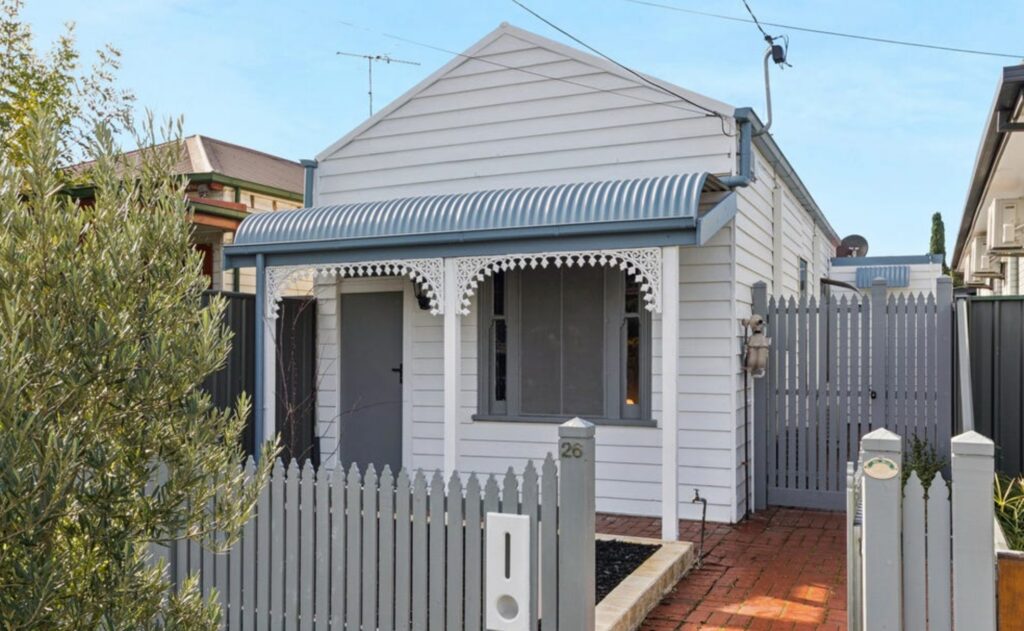
The entry price is attractive, and distance to CBD is far easier than alternative options within the same budget. However, for those who have family, friends and support in the east, life in the west can be challenging. In addition, schools are not as thick on the ground as they are in other parts of the city. The industrial past of the west is still palpable, with petrochemical tanks and refineries still peppered around the west.
How to approach the radius, and the discovery of new suburbs to explore
First, define your radius by commute and amenity to the elements you need to be close toSecond, consider land, street quality and the dwelling itself. . Third, ask more questions if a property seems to good to be true. Median suburb data is broad, and a compromised property will always be cheaper.