
This week in Melbourne, a first homebuyer’s upsetting tail hit the press.
The buyer is documented to have utilised the Victorian Homebuyer Fund (VHF) in order to purchase a home with the help of the shared-equity option that our State Government has on offer. However, it’s important to note that the issue isn’t solely related to the VHF. In fact, any buyer with a deposit size smaller than 40% of the total purchase price could be putting their 10% deposit at risk.
The issue for the buyer relates to the title type of the apartment they tried to purchase. In Victoria, apartment and villa unit title can vary. The most common title type is strata, which lenders can accept on as little as a 5% deposit, (95% loan to value ratio; LVR).
“Strata subdivision is the process of dividing a single building or parcel of land into multiple individually titled lots, often referred to as strata lots. These lots, which can be apartments, townhouses, or even commercial units, can then be sold and owned separately. It allows for the division of a building or land into smaller, separately owned portions, each with its own title.” (Source: Sunrise Surveying)
The bank is happy to provide a loan for the purchase of a strata title because they hold the security. In other words, the bank holds a physical asset until the mortgage is paid out and the loan is discharged.
However, things get challenging when a borrower wants to purchase a property that doesn’t represent a physical asset, and this is where Company Share title and Stratum title fit.
The way I like to describe the difference between strata, stratum and company share is to use a pizza analogy.

The strata pizza is straight forward. Imagine the pizza base is the land. The pepperoni, tomato sauce and stretchy cheese is the building. It’s constructed and then cut into four, six, eight, ten pieces. That is the number of units in the boutique apartment block. Each piece of pizza is then registered with the land titles office and holds it’s own unique parcel identity. The buyer purchases their slice of pizza and they own an equal and undivided share of the pizza base, and they own the toppings on that piece of pizza too. If the borrower stops paying their mortgage repayments, the bank knows that the slice of pizza is reasonably easy to value and sell. The bank is comfortable knowing that they would have complete control over the re-sale of the slice of pizza.
The company share pizza is different. It’s prepared and owned by a company. The company doesn’t subdivide the pizza. It continues to own the entire pizza and sells shares to the four, six, eight, ten buyers. The buyers purchase a parcel of shares equivalent to each slice of pizza and they can then enjoy their piece of pizza. However, there are rules around how to eat the pizza, and some of these rules can be a bit restrictive. When the borrower goes to the bank to get a loan, the bank is aware that it doesn’t hold the security of the physical piece of pizza. It only holds security over the shares.
Lenders have very different maximum borrowing limits for shares. This is due to shares representing a higher risk as a security.
Most lenders will loan against company share titles, but they will reflect the risk level with a lower loan to value ratio lending maximum. In other words, the lender will require a larger deposit. Some lenders require 40%, while others will accept as low as 20%, but this lower amount is harder to achieve.
The stratum pizza is a bit of a hybrid of company share and strata. Imagine that the pizza base is the land, and the company buys the land and retains it. However, the company builds the pizza with the toppings and registers the topping with the titles office. The pepperoni, tomato and stretchy cheese physically belongs to the property owner, and the base belongs to the company, of which they are issued shares from.
They don’t physically own the land. Only the dwelling and its airspace.
Stratum lending restrictions are often the same as company share lending restrictions. Buyers are usually required to have somewhere between 20%-40% deposit.
The issue for the buyer in this week’s newsfeed is unfortunately not the first. The risk they face is defaulting on their purchase. If they can’t find a lender to finance the purchase, their 10% deposit that was paid into the real estate agency trust account (or the vendor’s solicitor’s trust account) will be handed over to the vendor and their real estate agent. In addition, the vendor could sue the buyer for damages and costs. If the vendor can’t find another buyer to pay the same price as the buyer who defaulted, they could face further litigation.
What should have been an exciting time for a first time buyer has turned into a nightmare.
What they apparently neglected to do was undertake a thorough legal review of the contract. A solicitor or conveyancer would have identified that the property was stratum and this would have flagged the need for a discussion with the bank. To compound the issue, the buyer purchased at auction, which no option to cool off.
Typically they are older style, boutique blocks and St Kilda, Elwood, South Yarra, Moonee Ponds and Essendon are no stranger to these title types. Often, it’s the beautiful Art Deco units that are the offenders.
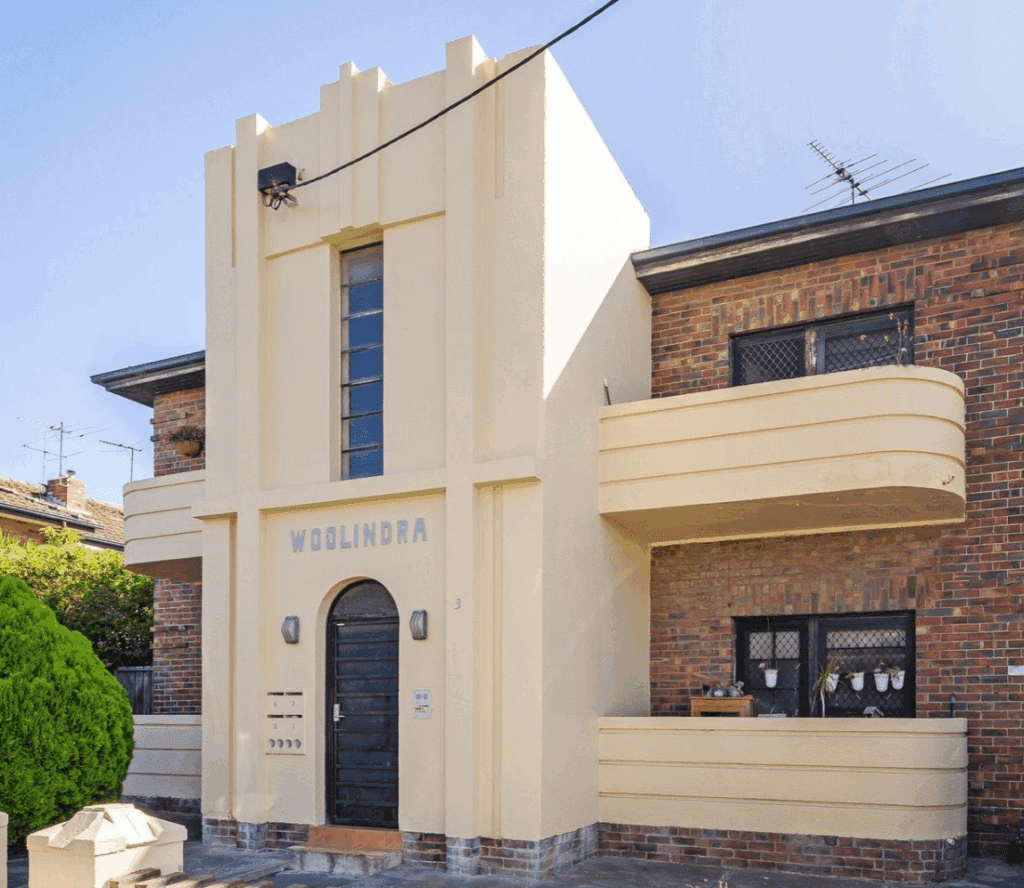
Determining whether the property is strata, stratum or company share is an easy task for a legal representative.
Often I have buyers say to me, “I don’t mind. I have a large deposit, so it doesn’t impact me.”
However, it does. Resale is almost always challenging, and valuations typically come in lower on a stratum or company share dwelling than a strata dwelling of the same size, style and location. In addition, the owners corporation rules can be more restrictive, with some OC’s ruling out pets, for example.
Like any property purchase, a legal review is a non-negotiable in my eyes.
REGISTER TO OUR NEWSLETTER
INFORMATION
CONTACT US
1A/58 ANDERSON STREET,
YARRAVILLE VIC 3013
0422 638 362
03 7000 6026
CATE@CATEBAKOS.COM.AU