
Renovating can be one of the most rewarding and stressful experiences a homeowner can undertake. Whether it’s transforming an old, character home or updating a tired investment property, a renovation can impact both lifestyle and value. But before diving in, it’s essential to pause and ask yourself some hard questions. A well-planned renovation starts long before the first tradesperson steps on site. Here are the five most important questions to ask yourself before you sign a building contract or place an order on a kitchen.
1. What is my true finance capacity?
It sounds obvious, but most renovators underestimate the total cost of their project. Beyond the builder’s quote, you’ll need to factor in design fees, (including revisions) council approvals, unexpected site costs, temporary accommodation, (if you can’t live through it), and contingencies for those inevitable surprises….. (and they do happen!)
The key here is to fully understand your finance position before you start. Speak with your mortgage broker or banker about your borrowing power, renovation-specific loan products, and the likely valuation outcomes once the project is complete. But also factor in project delays, cost blow-outs, and buffers for nasty surprises.
Renovations tend to cost more and take longer than planned. Knowing your true capacity, (including a healthy buffer) will keep you in control and prevent sleepless nights when invoices start arriving and move-in targets push out.
2. Am I at risk of overcapitalising?
Overcapitalisation happens when the cost of your renovation outweighs the value it adds to your property. It’s one of the most common traps, particularly for emotionally-driven owner-occupiers.
Before committing to a major renovation, take a careful look at the suburb’s price ceiling. Identify recent sales of comparable renovated homes in your area. If your finished product will sit well above the local benchmark, it may be time to rethink the scope.
A good buyer’s agent or local valuer can give you data-backed insights into where that ceiling lies. It’s also wise to consider who your likely future buyer might be – and what features they truly value. For instance, a high-end designer kitchen might not deliver a return in an outer-ring suburb where buyers prioritise space and parking over marble benchtops and high end brands.
It’s important to align your renovation spend and design with the market’s appetite.
Another important consideration involves a crowd-pleasing design and aesthetic, particularly if the plan to sell is short- or medium-term. A design or finish that polarises a crowd can be a serious mistake. If the finished product is too weird for the mainstream market, you could be left with a house that is hard to sell.
Worse still, you could sustain losses if the market isn’t prepared to pay an appropriate premium for your renovation.
3. Is the existing site and floor plan suitable?
Some homes are beautifully positioned for a successful renovation. Others are not. Assessing the site and structure before you start can save you from major headaches, (and budget blowouts) later.
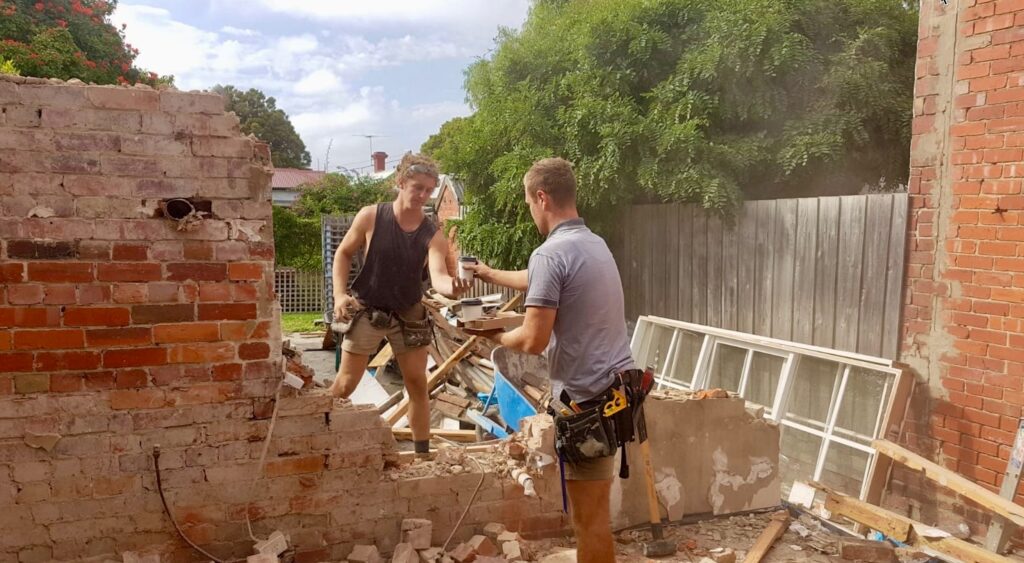
Consider the fundamentals – existing floor plan, overlays, orientation, block slope, and structural integrity. Does the home lend itself to reconfiguration? Can you achieve your goals without major structural changes? Will the wet areas require repositioning? And are shared walls with neighbours introducing additional cost to the project? The photo below shows the challenges associated with shared walls, and speaking from personal experience, a freestanding period home would have been a far cheaper choice long term for us. The need for neighbour consent, dilapidation reports, subterranean structural work and indemnity insurance for protection works added significant cost and time to our project.
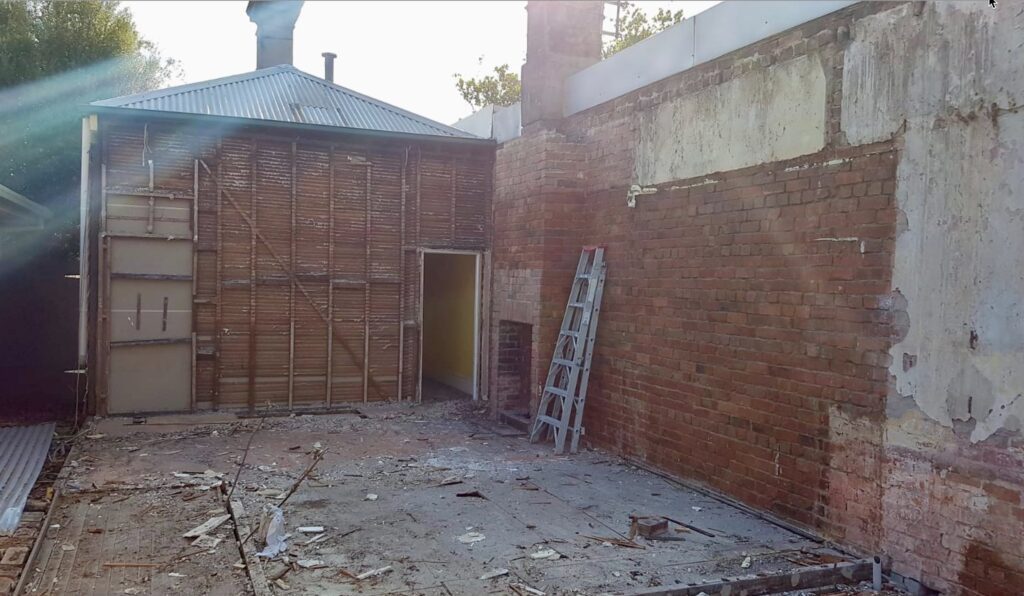
Sometimes, a poor floor plan or a tricky site can make a renovation uneconomical compared to knocking down and rebuilding, or even selling and upgrading elsewhere.
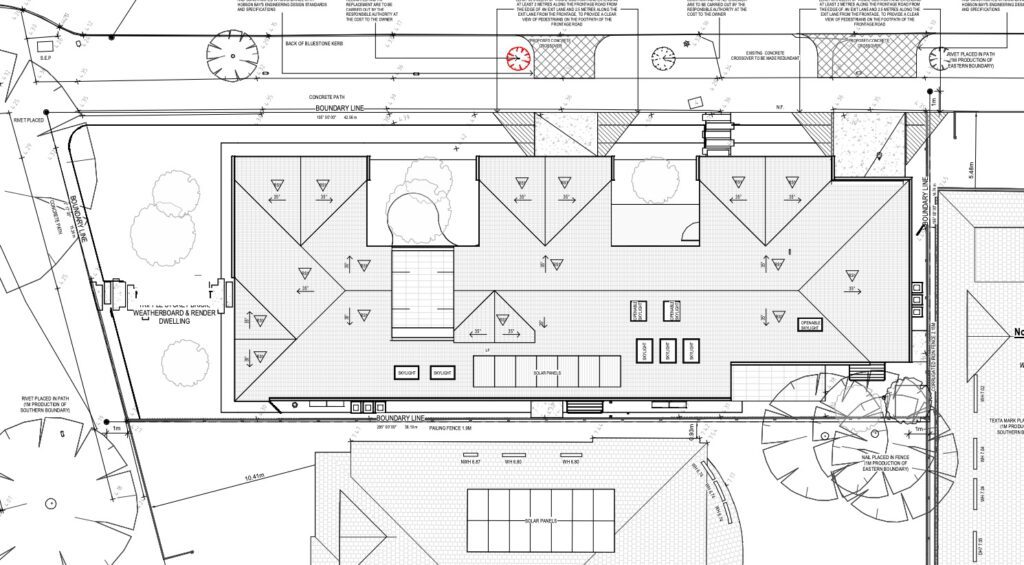
Engage an architect or building designer early to test the feasibility of your ideas. They can identify load-bearing walls, design constraints, planning/heritage challenges, and creative opportunities you might overlook. A thoughtful floor plan can elevate a home’s liveability and appeal – without needing to extend every wall or add unnecessary square metres.
4. Is there genuine demand for this type of property in my suburb?
If you’re renovating an investment property, or even your own home with an eye to future resale, understanding suburb demand is critical.
Ask: Who’s buying here? What’s in short supply? What do buyers consistently pay a premium for?
For example, a gentrifying, inner-ring suburb might value extra bedrooms, extra living zones, off-street parking, and outdoor entertaining space. These attributes are often in short supply, particularly in suburbs with a working class history, and smaller blocks. A well-considered, double storey renovation holds huge appeal in these locations.
Study recent sales data, attend local opens, and speak with agents, (either seller’s agents and buyer’s agents) about what buyers in your area really want. Renovating in line with demand ensures you’re adding value in the right places. On the other hand, pouring funds into features that don’t appeal to local buyers can erode your return.
5. Am I emotionally prepared for the process?
This final question is often the most underestimated. Renovating isn’t just a financial and logistical project — it’s an emotional journey.
Delays, dust, decision fatigue, rental properties, packing/unpacking, and cost variations are part of the territory. Even seasoned renovators admit that it can test relationships and resilience. So, before you begin, take stock of your emotional bandwidth. Do you have the time, energy, and patience to manage the process? Or will it overwhelm your day-to-day life?
If you’re living in the property during construction, be realistic about the disruption. If you’re managing trades yourself, understand that communication, problem-solving, and compromise are key.
Alternatively, if that sounds daunting, consider hiring a project manager or builder who can coordinate the process on your behalf.
A renovation can be immensely satisfying, but only when approached with clear expectations and mental readiness, and only when executed properly.
The best renovations aren’t just about aesthetics; they’re about strategy. When you’ve considered your finance, market, floor plan, design, site, and emotional capacity, you’re far more likely to create a home (or investment) that rewards you both financially and personally.
So before you fall in love with that Pinterest design, take the time to answer these five questions honestly. The answers will shape your success…. and they might even save you from a costly oversight.
REGISTER TO OUR NEWSLETTER
INFORMATION
CONTACT US
1A/58 ANDERSON STREET,
YARRAVILLE VIC 3013
0422 638 362
03 7000 6026
CATE@CATEBAKOS.COM.AU