
The Hidden Risks of Chasing Yield in Property Investing

When it’s tax time, as investors we get a glimpse into the outgoings and emerging patterns across our property portfolio. With Victoria’s rental law changes that have been applied over recent years, it’s easy to see that operating expenses have increased.

We modelled out the list of expenses for each property as a percentage of net rent. Some of our lower-priced assets were as high as 40+%. Granted, a roof replacement or a kitchen overhaul will erode profits, but the interesting observation was the dichotomy between the ‘cheapies’ and the houses in good locations.
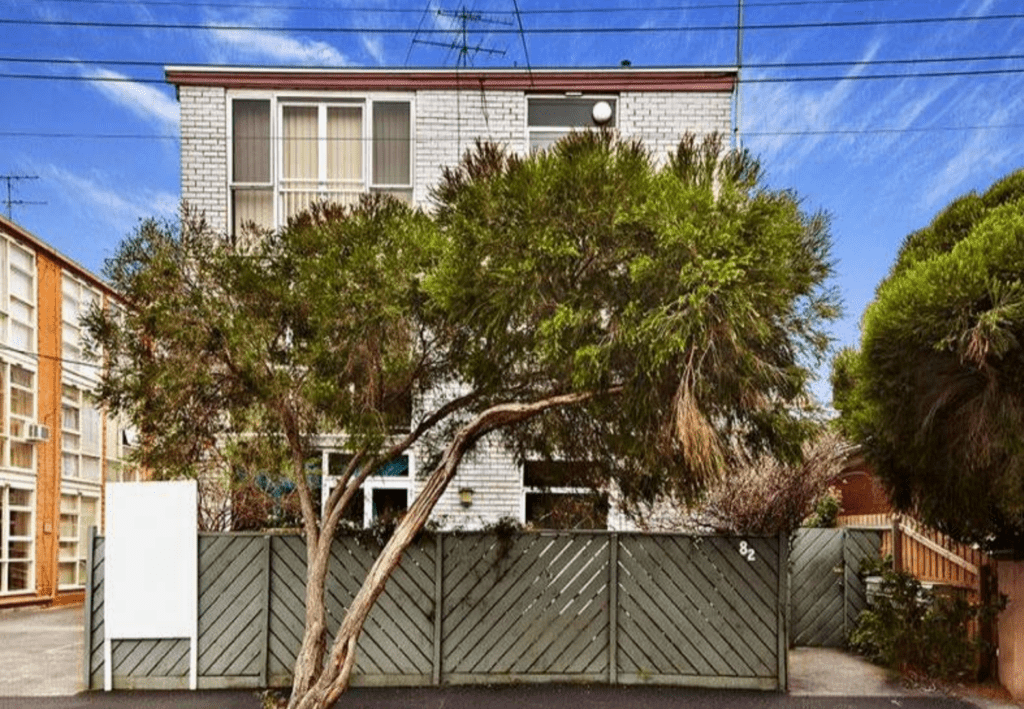
While rents have also increased in recent years, the operating costs are surprising for the lower-value assets. This got me thinking about the strategy that we adopted all those years ago, and how this insight would shape my property selection if I could wind back the clock.
Many early investors would argue that lower-priced, high-yield properties are the smart, conservative choice. But after decades immersed in property investment, the real long-term results come from higher-quality, investment-grade assets in great cities, (both capital and regional), with strong capital growth credentials.
Let’s unpack why…..
Optimal Capital Growth: The Engine Room of Wealth
If I could distil successful property investing into two principles, it would be these:
- Capital growth does the heavy lifting.
- The power of leveraging is the key differentiator in this asset class.
So, why do so many investors chase yield?
The holding costs, and ability to continue acquiring more properties are often the reasons why investors opt for this strategy. The ability to service more debt is a common driver. But in almost all cases, the higher yielding properties are cheapies.
Lower-priced properties often sit in markets with limited owner-occupier demand. They might look attractive on a spreadsheet because of their yield, but they typically lack the fundamental drivers of price growth, such as scarcity, lifestyle appeal, and emotional buyer competition.
By contrast, higher-value assets, such as well-located houses in established suburbs, are underpinned by stronger demand from owner-occupiers. And it’s this very cohort that pushes prices up over time.
When we invest in a superior asset, we’re aiming to ride the wave of aspirational, higher-income buyers who will compete harder and pay more as the years go on. Targeting a market that has proven, consistent demand and limited supply is key.
Over a 10 to 15 year horizon, the difference in capital growth between a sub-par asset and an investment-grade one can be profound. This gap is what ultimately shapes the investor’s ability to leverage, reinvest, and build a powerful portfolio.
Stronger Rental Growth Over the Long Term
High-yield properties can be seductive. A strong rental return upfront feels comforting, especially in the early years of ownership.
But the part that many investors overlook relates to the pace of rental growth. Long term, rents tend to move at the same pace as capital growth. While they may not always move in sync, over the decades, the yields don’t vary all that much. Which means that rental growth broadly matches capital growth.
The cheapies that deliver less growth but offer a higher yield don’t deliver rental growth at the same pace as the higher quality property.
Lower-priced properties are often located in areas with abundant supply, including investor-heavy pockets or regions with less employment diversity.
Higher-quality assets, on the other hand, tend to exist in tighter markets. Established suburbs, proximity to amenities, and lifestyle appeal attract renters who are willing to pay more and stay longer.
Over time, this translates into stronger and more consistent rental growth.
While the initial yield might be lower, the compounding effect of steady rental growth will ultimately close the cashflow gap.
Lower Maintenance Costs into Retirement
This is the one that many investors overlook.
Adopting a strategy that involves cheaper, cashflow properties equates to a larger overall portfolio for the investor. After all, they require a larger number of assets to achieve their goal of financial freedom, because the rents and equity from three cheapies won’t match the rents and equity from three solid performers.
A mature portfolio may represent as little as two properties, or as many as twenty (or more). For the latter investor, this is where maintenance costs start to bite. Considering the life-cycle of items like carpets, external paint, kitchens, bathrooms etc is important. When managing a this across a large portfolio, the expenses ledger can be hefty.
In addition, cheaper properties often come with hidden costs. They might be older, in poorer condition, or located in areas where tenant wear and tear is higher. For example, a house with multiple inhabitants at home seven days per week will experience a higher degree of wear and tear, than one with two full time workers who commute to the office daily. In addition, many of these cheapie properties are located in regional areas that are not within a short drive of a major centre. The added maintenance cost surcharge is easy to understand when considering travel distance for trades, and lack of available materials in the town. Over time, this can translate into heightened maintenance costs, and higher management intensity. Weighing this up against the value of the asset is important.
I’ve deployed my husband countless times to drive across state borders with the trailer rigged. We’ve been fortunate that he’s handy and able to install new kitchens, paint dwellings and see to the expensive maintenance items. But over time, it’s not a sustainable model, and the alternatives are expensive.
When investors are in your accumulation phase, they might tolerate these maintenance challenges. But as they move into retirement, the last thing they want is a portfolio that demands constant attention and cash injections.
Higher-value, investment-grade assets tend to be better located, and are generally easier to maintain. The tyranny of distance doesn’t apply, and freight costs and tradespeople shortages don’t bite like they do in the distant regions.
But more so, an investment portfolio with quality assets is likely to have less assets within it. At the end of the day, re-sheeting a roof costs a similar price. The question is; how many roof re-sheeting tasks does an investor want to pay for?
The Bigger Picture
Property investing isn’t just about numbers on a spreadsheet. It’s about strategy, risk management, and long-term outcomes.
Lower-priced, high-yield assets can have a place, particularly for investors with specific cash flow needs or shorter-term goals. But if the objective is to build sustainable wealth, create flexibility, and future-proof the portfolio, higher-quality, capital growth assets deserve serious consideration.
In my experience, the investors who succeed over the long term are those who prioritise quality over quantity. They resist the temptation of short-term yield and instead focus on assets that will stand the test of time.
At the end of the day, it’s not how many properties are owned, it’s how well they perform.