
The Things Buyers Will Pay Extra For
After sixteen years as a buyer’s agent, I’ve assessed and competed for enough properties to know exactly which features push a price beyond the appraised value, and those that attract the strongest, most emotional competition. This includes results that exceed what vendors expect, and in today’s blog, I’ve paved out the attributes that mainstream buyers seek out. These are the attributes that buyers are prepared to fight for.
The features that command a premium have one thing in common; scarcity. It is not simply that buyers find them desirable, it is that supply cannot expand to meet demand.
Some attributes are constrained because the physical stock in inner and middle ring suburbs was never built to provide them, and cannot be retrofitted at scale regardless of budget.
Northerly aspect is the first example of a highly prized feature. Subdivision patterns and street orientation were set at the time of the original land release, often more than a century ago, and no renovation can change a block’s orientation. The premium for a north facing rear yard is measurable; comparable sales analysis typically shows buyers paying 10 to 20 percent more for equivalent homes with a north facing rear aspect over an equivalent south facing block.
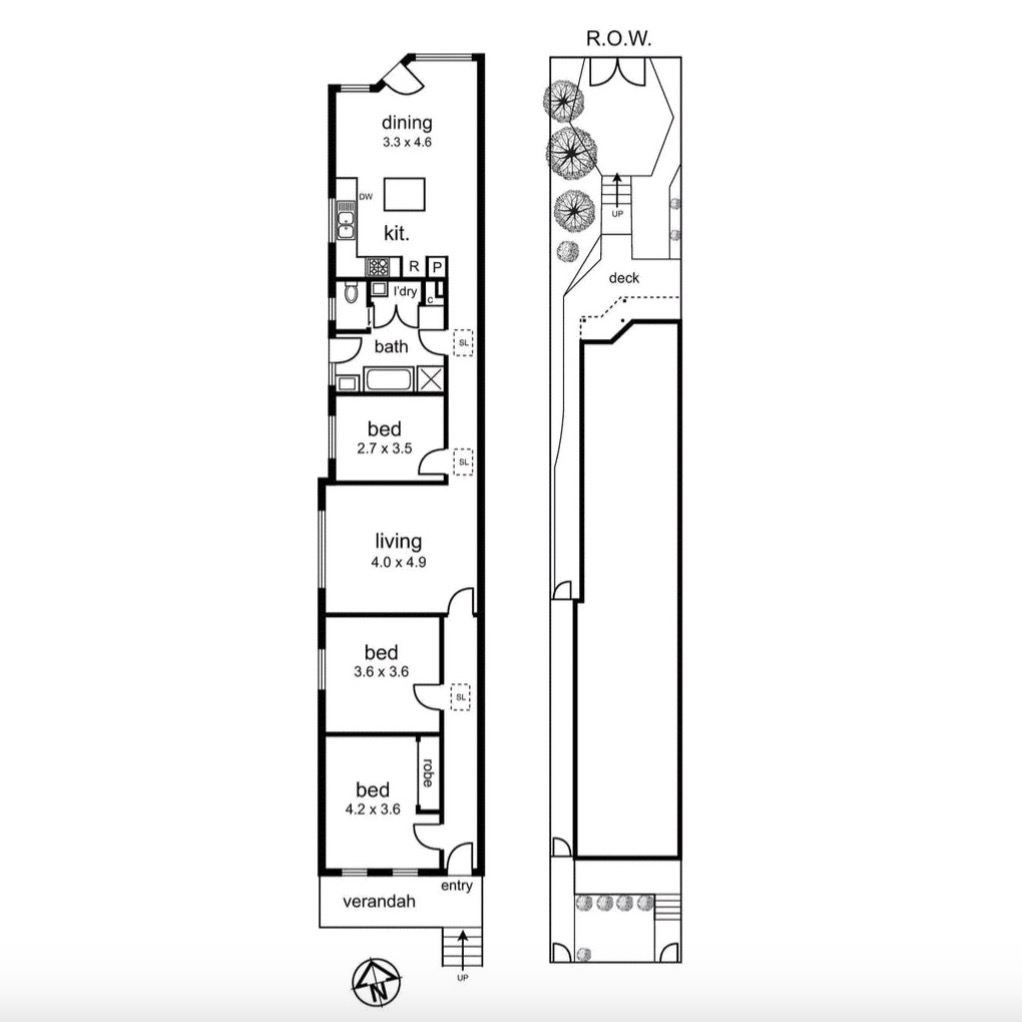
Secure off street parking sits in the same category, particularly where it can accommodate an EV charger. Period era subdivisions were laid out before mass car ownership, so the number of car spaces in an established suburb is effectively fixed. In fact in our gentrified, inner-ring areas that were once working class, provisioning for cars didn’t happen at all, resulting in skinny terraces with tiny back laneways for the night-man collection where outhouse toilets used to be located. A car space should be valued as land in its own right rather than treated as a minor inclusion. In many inner and middle ring suburbs, the imputed land value of a single car space is comparable, on a per square metre basis, to the land value under the dwelling itself, and a valuation that doesn’t factor in this land value will understate the property.
A usable backyard, particularly in a higher density, inner-ring area is also highly sought after. The scarcity of such a block can drive up the dollar value per square metre of the land, despite the fact that agents and valuers will cite a common ‘dollar per square metre rate’ for a given area.
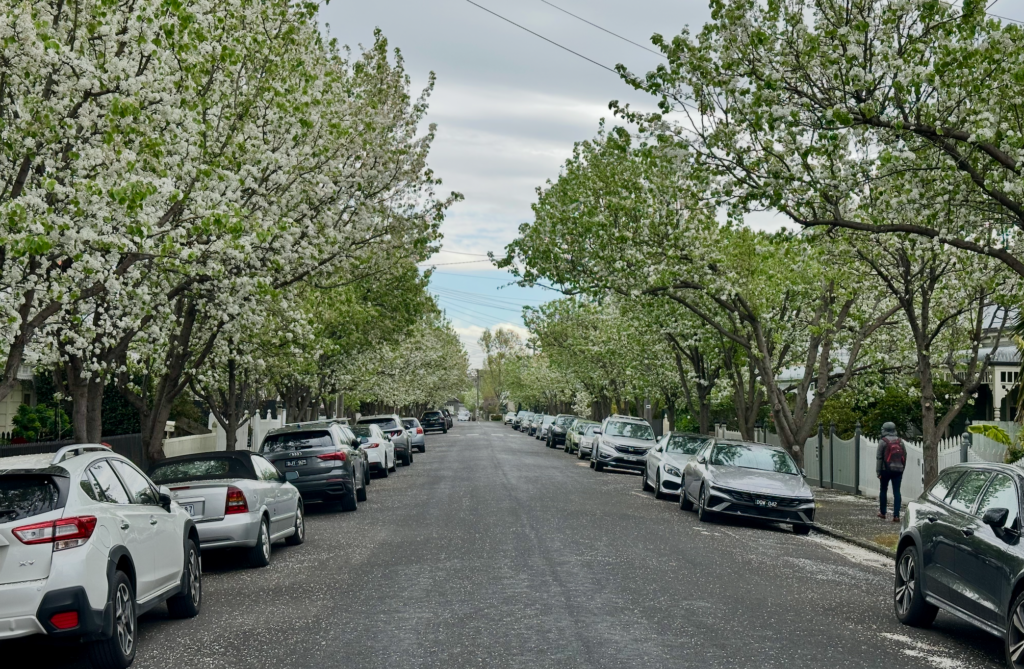
Likewise a pretty tree lined street of period housing stock sits in this category too. Typically protected with a heritage overlay, we all know these streets. They are often touted as “the best street in the suburb” and turnover is lower than other streets too. It’s little wonder that some buyer wait for years for a listing to appear in a street. Agents have buyers who bring a desirable street to their attention, stating that they’ll be prepared to pay a premium if they can purchase without the property going to market. Buyers know that they will otherwise face strong competition otherwise. I remember helping a buyer who missed out on the same property many years prior to meeting us. They waited patiently for another house in the same street to come up, and engaged us to find them an off-market. To our surprise, we secured them the same house, a decade later after it had last sold.
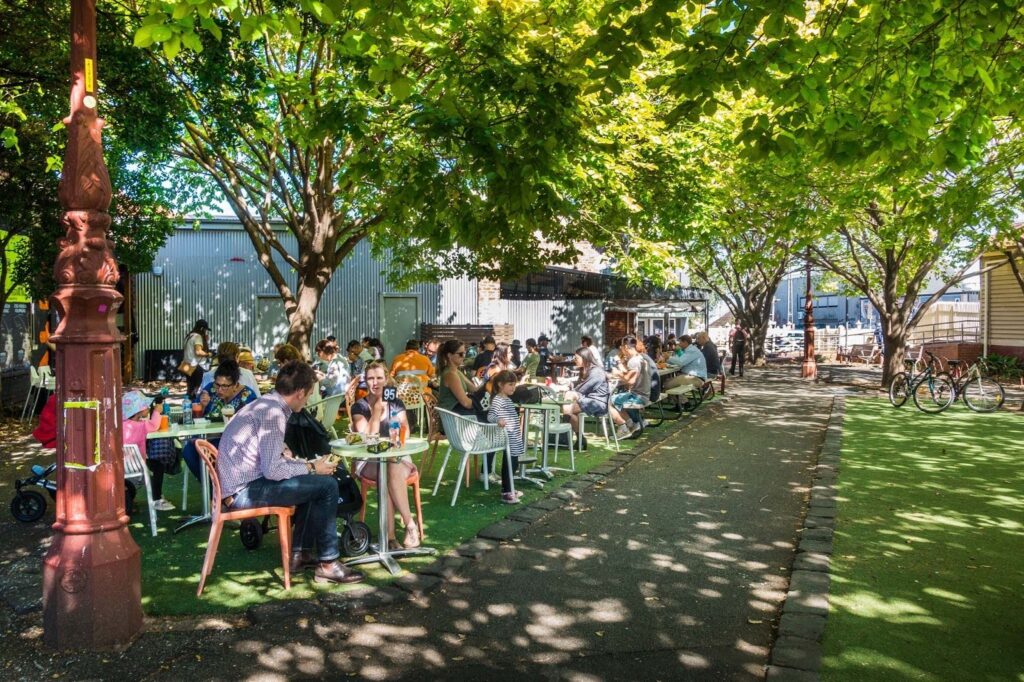
Proximity to public transport and walkable access to cafes and retail strips belong here as well. Inner ring locations are spoilt for choice when it comes to these features, but middle ring suburbs are largely built out, so the number of properties within genuine walking distance of a station or a shopping strip is finite, while the buyer pool competing for that access is always strong.
Many of these features are scarce not because it is physically constrained, but because the owners who hold it transact infrequently.
A well-executed renovation combined with professional styling is attracting a much stronger level of interest now than in previous decades. This is due to the construction cost blowouts; the combination of skills shortage and heightened building materials surcharge are to blame for this. Demand is also stronger due to the cost of buying and selling being prohibitive. Stamp duty, agents fees, marketing and other move-costs have dampened people’s appetites for upgrading, and many are tackling renovations and extensions, placing further pressure on building costs.
For those who have tackled a build to flip, they will note the attributes that excite buyers. A butler’s pantry, generous wardrobe storage, ensuites, a dedicated study or work from home space, and generously proportioned living areas all entice buyers to dig deep when competing for a newly renovated home. These upgrades represent significant capital outlay, and buyers who have made that outlay tend to have longer than average periods of tenure. The result is a lower annual turnover rate for this cohort of properties than underlying demand would otherwise support.
Beautiful landscaping speaks volumes when it comes to selling prices too. A mature garden cannot be created on demand at any price, and it often requires years to establish. Owners who have invested that time and effort compound this scarcity.
Depending on the demographic in the area, school zone premiums are also most financially material example of scarcity and demand. Families who secure a property within a sought after zone generally hold through the full duration of their children’s schooling, and often longer. Comparable sales analysis across highly desired zones typically show a premium of 10 to 20 percent for an equivalent property inside a sought-after zone, versus one just outside it.
Each of these features should be priced as a discrete component with its own scarcity driver when conducting pricing analysis. A car space, a north facing orientation and a school zone address each carry a quantifiable premium that should be reconciled in the analysis. Whether a feature’s scarcity is land constrained or turnover constrained also has a bearing. Land constrained premiums are structural and unlikely to erode, while turnover constrained premiums can compress if a wave of long term holders lists at the same time, or if a feature (i.e. a school) changes.
And now to studies…. The pandemic permanently changed what buyers expect from a floor plan. A dedicated study or a genuine work from home space is no longer a nice to have for many; it’s a line item people include in their criteria.
Generously proportioned living space matters just as much as bedroom and study space. Buyers are increasingly wary of family homes with disproportionate living spaces. A renovation that converts a generous three bedroom house to a cramped, four bedroom house is a fail when it comes to value-adding.
Buyers think emotionally about many of these features, and those who have felt the pain of missing out at auction for a sought-after property will know the feeling of dread that hits when the hammer falls. They know that sought-after holds more scarcity, and they are prepared to pay a premium.