
Why Cash Flow Is Beating Capital Growth for Established Investors Right Now
We have seen an interesting switch in investor activity since the Budget announcement on 12 May 2026.
Prior to the recent negative gearing tax changes, Victoria had received strong investor interest from many interstate buyers. They were broadly targeting dated houses in established areas on full-sizeed blocks of land. The $700,000 – $1,200,000 price point represented a lot of investor budgets, and gross rental yields sat around 3.2% in this genre of property.
However, consecutive interest rate increases began to erode borrowing capacity, and by April 2026, many budgets had shifted to circa $900,000 caps.
The Budget announcement came as a surprise to many, and the blow for those who were in the established property market, anticipating the negative gearing assistance was significant. The changes applied immediately, from 7.30pm that night, meaning the investors who had not yet purchased had missed the opportunity to have negative gearing benefits grandfathered.
The lenders adjusted borrowing capacity calculators within a couple of weeks, and borrowing capacity plummeted for most who were still targeting established stock.
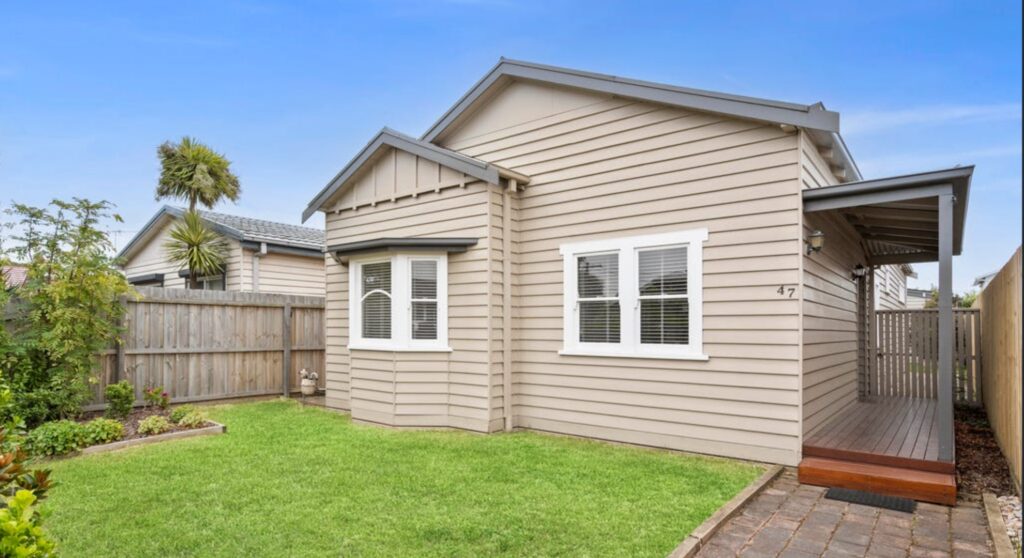
As an example, we assisted a lovely investor prior to Budget night, and he secured this period Geelong property below.
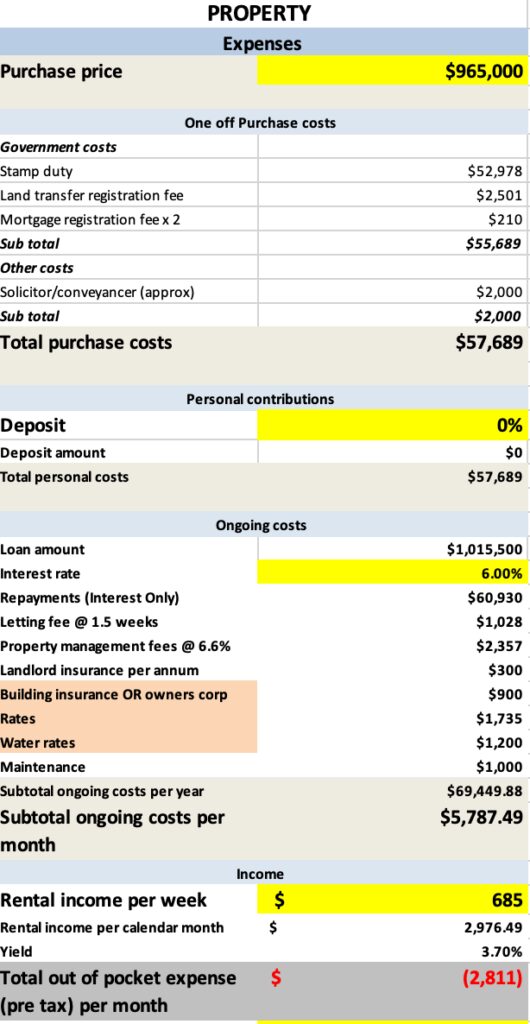
The cashflow calculation shows the broad, out-of-pocket holding costs (pre-tax benefit) is $2,811 per month. This is based on the entire purchase plus stamp duty being fully funded for a purchase price of $965,000, with $685pw in rent.
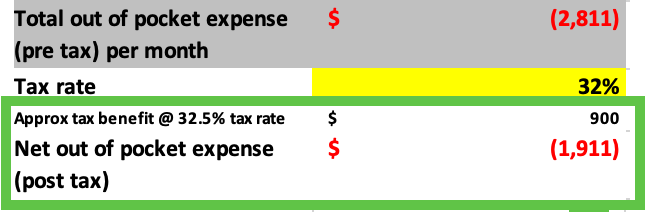
With the help of negative gearing benefits, his adjusted monthly out of pocket costs become $1911. (Note: tax rate is individual, and this has been approximated, and Land Tax is not featured).
Not only would an investor feel discouraged by the out of pocket contribution required, but their borrowing capacity would also be reduced. This would preclude them from buying an investment property like this house above.
Within days of the announcement, we witnessed a significant shift in focus from investors. Suddenly, their appetite for lower-priced, higher-yielding options began to show. Previously abundant in listing number and slow to move, inner and middle ring,1970’s apartments and villa units in boutique blocks were being snapped up.
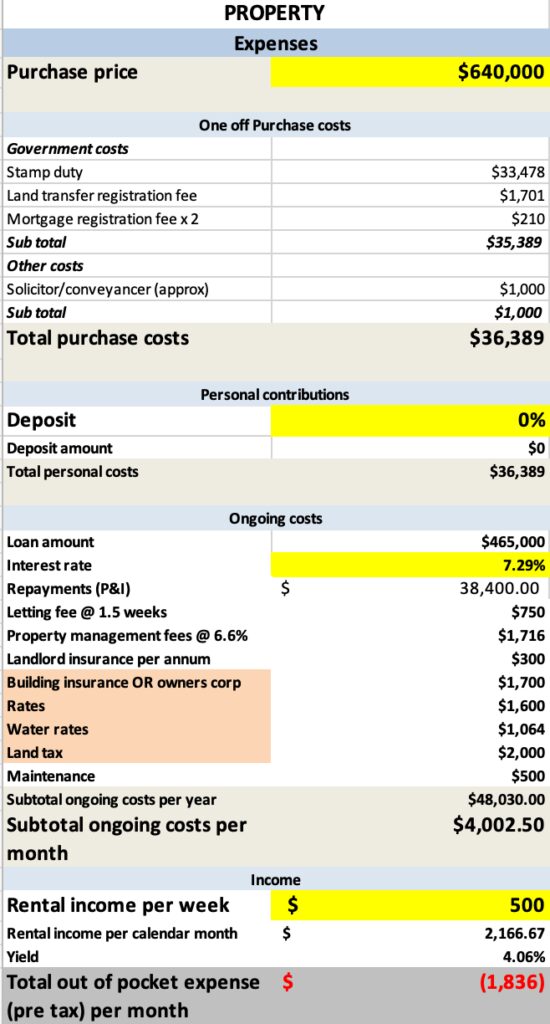
Take this other example that we assisted our SMSF investors with; a neat, 1970’s villa in a great pocket of Reservoir in Melbourne’s north. Purchased for $640,000 and appraised rental of $490-520pw, the out of pocket costs are markedly lower for a dwelling like this.
However, this is still a negative cashflow proposition. And this is all before Land Tax is calculated.
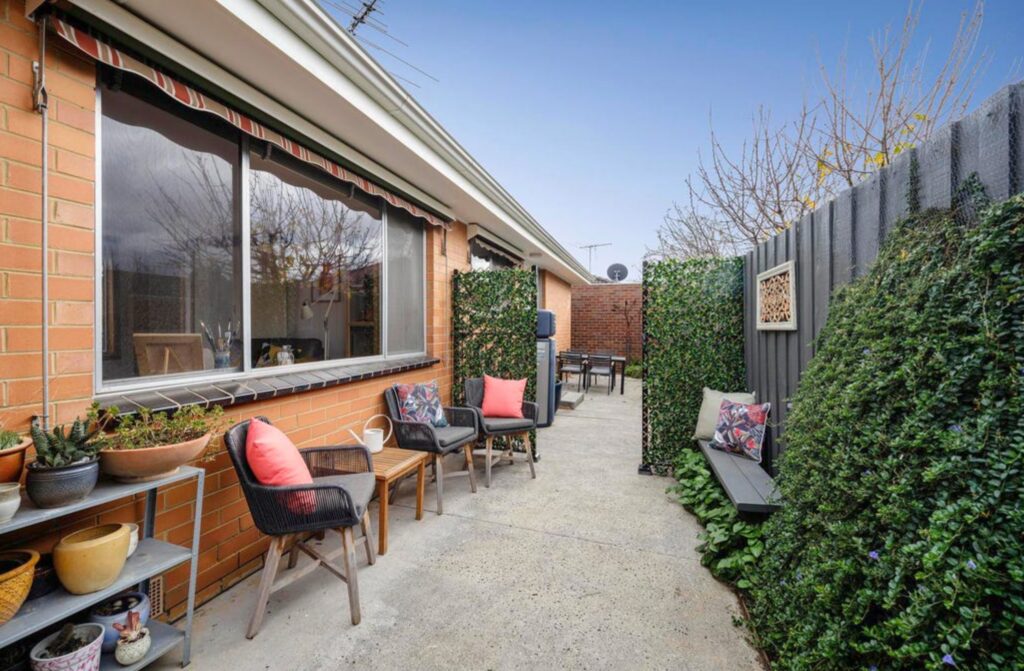
The broad cashflow calculation, (excluding Land Tax) is below.
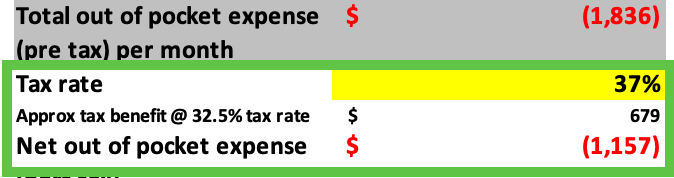
Negative gearing benefits on existing dwellings purchased post-12 May do still apply, but only for the financial year until 1 July 2027. An eligible buyer could anticipate cashflow deductions to the tune of $679 per year for this short period.
Rental yields have been steadily climbing in Melbourne, particularly as capital growth has stagnated and vacancy rates have tightened. Plenty of updated boutique apartments are delivering gross rental yields around 5%, and while investor appetite has diminished, this rate of return is attracting more than a few.
The uptake of boutique units around Melbourne is an emerging trend, not just due to investors. The conditions are ripe for first home buyers, and this may give rise units showing strength in the latter part of 2026.